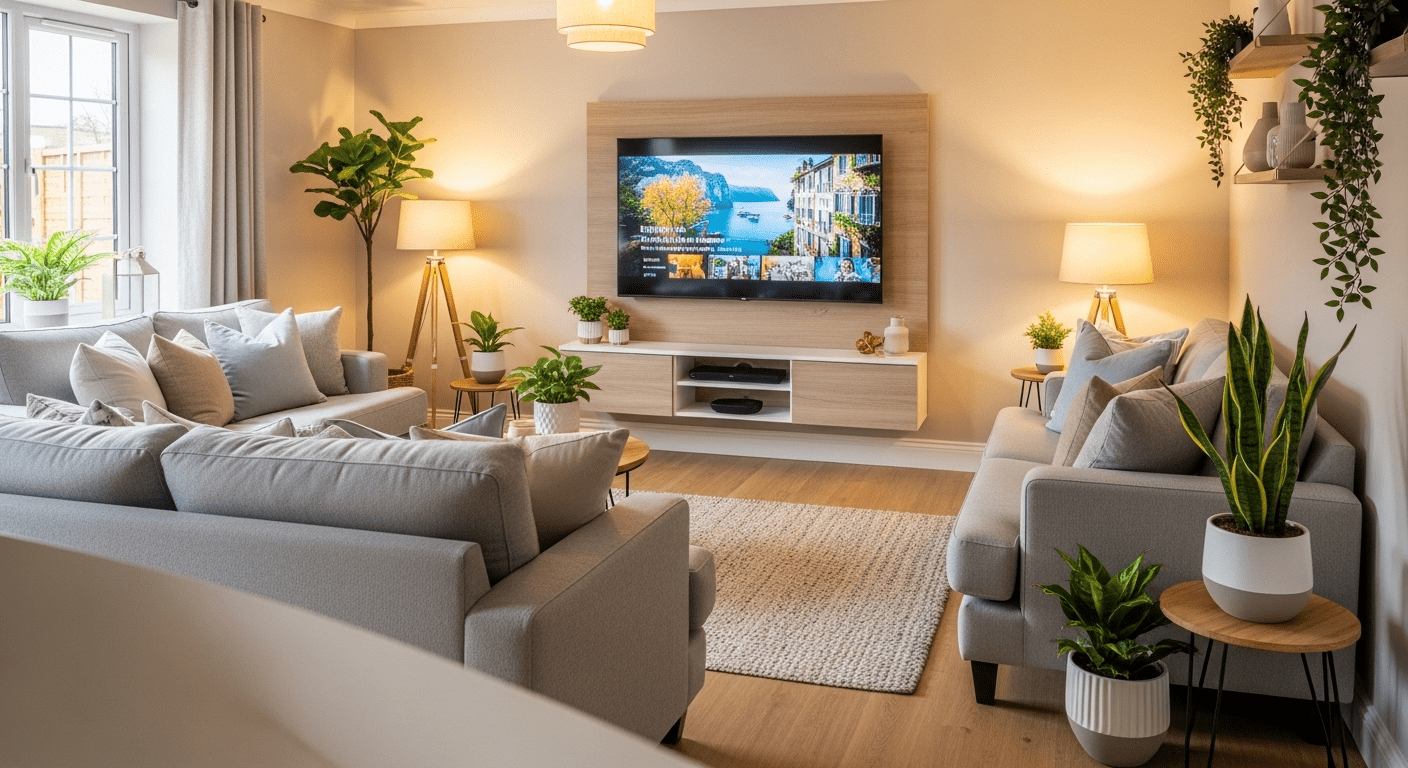


A room does not become memorable because it costs a fortune. It becomes memorable because it feels right the second you walk in. You know that feeling when a space seems calm, sharp, and lived-in at the same time? That is not luck. It is the result of smart choices layered with intention, and that is where Interior Unlocks starts to matter more than trends, shopping hauls, or glossy inspiration photos ever will.
Most people do not need a total renovation. They need better instincts. A sofa pushed six inches the wrong way can make a room feel clumsy. A harsh light bulb can ruin a beautiful wall color. A home packed with expensive pieces can still feel oddly cheap when nothing relates to anything else. Good design is less about owning more and more about knowing what earns its place. If you want rooms that feel modern without turning cold, polished without feeling staged, and personal without becoming messy, the answer sits in a handful of practical design moves. Some are visual. Some are emotional. All of them change how you live inside your home. And yes, the smallest details often do the heavy lifting.
Start With Flow Before Style
Most people decorate too early. They pick colors, scroll for chairs, and save ten versions of the same lamp before they figure out how the room should actually work. That is backwards. A modern room earns its beauty from movement first. If walking through it feels awkward, no amount of pretty objects will save it. I learned this the hard way in a narrow apartment living room where the furniture looked great online and behaved terribly in real life. Every path felt blocked. Every seat faced the wrong thing. The fix was not buying more. It was clearing the room and rebuilding it around how people actually moved.
Map the Room Around Real Life
A modern space should support your routine instead of interrupting it. That means you need to notice what really happens in the room, not what you wish happened there. Maybe the living room is where you answer emails, eat takeout, and collapse after a long day. Maybe the dining table has quietly become your work desk. Be honest. Design that ignores real behavior always feels fake.
Traffic paths should stay open enough that you do not turn sideways to pass. The coffee table should be close enough to reach without leaving your seat like a gymnast. A hallway should not become a storage zone just because the baskets look charming. These sound like basic details, yet they decide whether a room feels elegant or exhausting. Your body notices poor layout before your eyes do.
One strong test works every time: walk through the room while carrying something awkward, like laundry, groceries, or a sleeping child. Suddenly the truth appears. Corners jut out. Chairs become obstacles. Decorative benches begin to look like bad decisions. Design gets real fast when the room has to serve your actual life.
Create Zones Without Building Walls
Open-plan homes can look airy in photos and feel chaotic in real use. That is because openness without structure often turns into visual noise. You do not need walls to create order, though. You need signals. Rugs, lighting, furniture placement, and even ceiling height can quietly tell the eye where one function ends and another begins. That is how modern spaces feel composed without feeling boxed in.
A sofa with its back facing the dining area can define a living zone in seconds. A pendant light above a table can anchor meals even when the kitchen spills into the same footprint. A rug under a reading chair and side table says, this corner has a purpose. These moves sound subtle because they are. That is their strength. They guide without shouting.
The trick is restraint. If every zone tries to become a full scene with its own colors, themes, and personality, the room starts arguing with itself. Keep the materials and tones in conversation so the home still reads as one place. Separate functions, yes. Fracture the mood, no.
Use Light Like a Material, Not an Afterthought
Bad lighting has ruined more decent rooms than bad furniture ever has. That sounds harsh, but it is true. You can have clean lines, solid textures, and thoughtful styling, yet one cold ceiling light can flatten the entire mood. Light is not decoration you toss in at the end. It shapes color, depth, energy, and even how clean a room feels. In modern spaces, it does not just help you see. It sets the emotional tone. That is why smart designers treat it like paint, wood, or stone. It is a building material with a pulse.
Layer Light for Mood and Function
A single overhead fixture is a lazy plan, and rooms always show it. Modern homes need at least three layers of light: ambient, task, and accent. Ambient light fills the room. Task light handles useful work like reading, cooking, or getting dressed. Accent light adds shape, softness, and a little drama. Once you understand that trio, rooms stop feeling flat and start feeling finished.
Think about a bedroom. The ceiling fixture handles general light, but bedside lamps create a softer evening mood. A wall sconce over a small desk makes the corner usable instead of forgotten. A subtle lamp near a dresser can make shadows gentler and colors richer. The room suddenly works at different hours, for different reasons, without asking one fixture to do all the work.
The same logic helps kitchens, which people often over-light in the worst way. Bright does not always mean better. You need focused light over counters, softer fill in adjacent spaces, and maybe a warm glow over a dining nook so the room shifts naturally from prep zone to gathering spot. A well-lit kitchen feels faster when you need it and calmer when you do not.
Respect Natural Light Without Worshipping It
Natural light gets treated like a magic wand, but sunlight alone does not guarantee a good room. Sometimes it glares. Sometimes it fades fabrics. Sometimes it leaves half the room cheerful and the other half looking like a cave. Good design respects daylight, studies its path, and then supports it instead of blindly chasing it. That difference matters.
Window treatments are where a lot of people panic and overcomplicate things. Heavy curtains can smother a room that needed lift. Bare windows can make a home feel unfinished or exposed. The best choice usually sits in the middle. Linen drapery, solar shades, or layered sheers can soften light without killing it. The point is control, not drama for drama’s sake.
You also need to place reflective surfaces with intention. A mirror opposite a window can bounce daylight beautifully, but the wrong angle can create glare that feels more office than home. A glass table may look sleek, yet it can also throw reflections around like a bad mood. Study the room at morning, noon, and evening. Light changes. Your plan should too.
Let Materials Do the Talking
The fastest way to make a modern room feel cheap is to ask color and accessories to do all the work. When surfaces have no depth, people often pile on décor to create interest. That usually backfires. A better route is to let materials carry some of the emotional weight. Wood grain, stone texture, matte paint, brushed metal, soft wool, and natural fibers all speak in different voices. When you choose them well, the room gains substance before you even add the final styling pieces. This is one of the quietest Interior Unlocks in good design, and it changes everything.
Mix Textures Instead of Matching Everything
Rooms become lifeless when every surface feels too similar. Smooth sofa, smooth coffee table, smooth rug, smooth walls. Nothing catches. Nothing lingers. Modern design does not ask for clutter, but it does ask for contrast. You want rough against refined, soft against structured, warm against cool. That contrast keeps the room awake.
A simple example says a lot: pair a clean-lined linen sofa with a timber side table that shows real grain, then add a ceramic lamp with a slightly uneven finish. None of those pieces needs to scream for attention. Together, they create depth. The room feels considered because your eye moves across different textures instead of skating over one flat surface.
Matching furniture sets usually kill this effect. They promise convenience and deliver boredom. Rooms with character rarely come from buying everything from one page, in one finish, on one day. Modern spaces feel stronger when they look assembled over time, even if you pulled them together quickly. A little tension is healthy. Perfect matching is not.
Choose Finishes That Age Well
Some finishes look impressive for about six months and tired for the next six years. High-gloss surfaces can feel slick at first, then start reading as fussy. Trendy metallics often arrive with fanfare and leave with embarrassment. If you want a home that stays modern instead of dating itself, choose finishes with staying power. Calm materials hold up better than flashy ones.
That does not mean everything should be beige and solemn. It means you should ask a harder question before buying: will this still feel good when the trend cycle moves on? Natural oak, honed stone, matte painted cabinetry, unlacquered brass that wears in gently, and woven fibers tend to improve with use rather than fight it. That is a valuable trait in real homes.
Wear matters more than showroom sparkle. A dining table should survive elbows, mugs, and messy dinners without becoming precious. A floor should tolerate shoes and weekends. Modern living does not happen in a museum, and pretending otherwise only creates stress. Pick finishes that can be touched, used, and lived with. That is where lasting style begins.
Edit Ruthlessly So the Room Can Breathe
A modern room is not empty. It is edited. There is a difference, and it matters. People often confuse restraint with coldness, then overfill a room to prove it has personality. The result is usually visual fatigue. Shelves get crowded. Surfaces disappear under objects. Statement pieces start competing like loud guests at a dinner party. Good rooms need space around things so those things can actually be seen. Breathing room is not wasted space. It is part of the design.
Keep Fewer Pieces, But Make Them Count
One excellent chair does more for a room than three forgettable ones. That sounds severe, but it saves money and visual clutter at the same time. Modern spaces become convincing when the major pieces hold their own. A sofa with a strong silhouette, a rug with real texture, or art that has presence will do far more than a pile of filler accessories bought in a panic.
This is especially true on shelves and sideboards. People fill every inch because empty spots make them nervous. Resist that urge. A stack of books, one sculptural object, and a framed piece leaning casually can feel stronger than ten tiny decorations arranged like a gift shop. Editing creates emphasis. Without it, nothing stands out.
You should also think about scale, which people ignore until the room feels off. Tiny art above a long sofa looks timid. A rug that barely touches the furniture makes the whole arrangement feel like it is floating away. Bigger is not always better, but undersized almost always looks accidental. Bold scale, used carefully, gives a room confidence.
Add Personality Without Adding Chaos
A home without personality feels rented, even when you own it. A home with too much personality can feel like every thought you ever had got left out on display. The sweet spot is selective honesty. Show the things that carry meaning, but give them a frame. A travel photograph, a ceramic bowl from a local maker, your grandfather’s old lamp, or a stack of design books you actually read can bring a room to life.
The key is curation, not performance. Do not decorate to prove you have taste. Decorate to build recognition. When someone walks into your home, they should feel you in the room without needing a guided tour. That kind of warmth cannot be bought in matching baskets or trendy slogan prints. It comes from objects with memory, function, or odd charm.
This is also where Modern Spaces either win or lose. The best ones never feel stripped of character in the name of cleanliness. They feel clear, confident, and human. If you want inspiration for thoughtfully placed brand and design context, browsing curated industry features through a platform like trusted design coverage can sharpen your eye without pushing you into copycat decisions.
Make Color Work Harder Than Decoration
Color should not arrive as a random finishing touch. It should set the emotional temperature of the room from the start. A lot of modern interiors go wrong here because people either play it too safe and end up with beige fatigue, or they chase boldness without knowing what the room can handle. Both paths miss the point. Color is not about bravery. It is about control. The smartest rooms use color to shape feeling, direct attention, and support materials already in play.
Build a Palette That Calms the Room
A strong palette does not need twenty shades and a mood board with fifty swatches. It needs discipline. Start with a dominant tone, add one or two supporting shades, then bring in a deeper or sharper accent only where it earns its spot. That approach keeps the room legible. You are not painting chaos into the walls and hoping styling will fix it later.
A modern living room might begin with warm white walls, oat-toned upholstery, walnut wood, and charcoal details. That sounds simple because it is. Simplicity is often what makes a room look expensive. When colors stay in conversation, the eye relaxes. The room feels settled. You notice shape, texture, and light instead of being distracted by too many competing notes.
Paint also behaves differently depending on sheen and light, which is why test patches matter more than online inspiration. A soft gray can look elegant at noon and oddly purple by evening. White can turn creamy, sterile, or flat depending on what surrounds it. Do not trust tiny swatches or wishful thinking. Put color on the wall and live with it for a few days.
Use Contrast to Create a Modern Edge
Modern design needs some tension or it drifts into blandness. Contrast provides that edge. It can come from dark trim against pale walls, black metal against soft stone, or a moody accent chair in an otherwise quiet room. Contrast wakes things up. Used well, it creates clarity and confidence instead of chaos.
The mistake is spreading bold contrast everywhere until the room loses focus. You do not need black fixtures, black frames, black stools, black shelving, and black hardware all shouting in the same breath. Pick your moments. Let contrast punctuate the room rather than dominate it. A sharp note works because silence surrounds it.
This matters a lot in Modern Spaces, where clean lines can sometimes drift toward sterile if everything stays too soft or too safe. A dark door, a sculptural lamp, or one piece of art with real visual weight can keep the room from feeling sleepy. Contrast, in that sense, is not aggression. It is rhythm.
A beautiful room should change how you live, not just how your home photographs. That is the real standard. When layout supports movement, light shapes mood, materials add depth, and editing gives objects room to matter, the whole space starts working harder for you. It feels easier to think, easier to host, easier to rest. Good design does not shout its success. You feel it in the way mornings run smoother and evenings land softer.
The best part is that you do not need a giant budget or a dramatic remodel to get there. You need sharper choices. Start by fixing the layout that annoys you every day. Replace the harsh bulb. Remove the filler piece that never belonged. Then build forward with intention. That is how Interior Unlocks becomes more than a catchy phrase. It becomes a way of seeing your home clearly, maybe for the first time.
Do not wait until everything is perfect before you begin. Homes improve through decisions, not fantasies. Pick one room, make one smart change this week, and let that momentum carry you. The modern space you want rarely arrives all at once. It appears piece by piece, every time you choose substance over noise.
FAQ 1: What are the easiest interior design changes for a modern home?
Start with layout, lighting, and clutter. Those three changes shift a room faster than buying trendy décor. Move furniture to improve flow, layer warm lighting, and remove filler pieces. A cleaner, calmer room instantly feels more modern and much more comfortable daily.
FAQ 2: How do I make a small room look modern without spending much?
Use fewer, better-looking pieces and let the room breathe. Hang curtains higher, choose one larger rug instead of several small ones, and add soft layered lighting. Paint can help too, but smart placement matters more than buying expensive furniture for impact.
FAQ 3: Which colors work best for modern interior spaces?
Warm whites, soft taupes, muted greens, charcoal, and earthy wood tones usually work beautifully. They feel current without turning cold. The trick is balance. Use calm base shades, then add one deeper contrast color so the room gains shape and personality.
FAQ 4: Why does my room still feel off after I decorate it?
The problem is often layout, scale, or lighting rather than decoration. A beautiful room can still feel wrong when furniture blocks movement, art looks undersized, or one harsh ceiling light flattens everything. Fix function first, then decoration finally starts making sense.
FAQ 5: How can I mix textures in a modern interior without making it busy?
Pair smooth surfaces with natural texture instead of stacking patterns everywhere. Think linen, wood, ceramic, wool, and metal in measured amounts. The room stays calm because the variety comes from feel and finish, not from dozens of loud colors competing visually.
FAQ 6: What furniture mistakes make a modern room look dated?
Matching sets, undersized rugs, tiny wall art, and bulky furniture pushed against every wall age a room fast. So do shiny finishes that feel trendy for one season. Modern rooms usually look better when pieces vary slightly and scale feels intentional.
FAQ 7: How often should I update my interior style to keep it current?
You do not need yearly overhauls. Strong rooms stay relevant when the foundation is solid. Update lighting, textiles, paint, or smaller accents as your taste shifts. Keep the large pieces timeless, and your home can evolve naturally without looking tired or forced.
FAQ 8: What is the biggest secret to designing modern spaces that feel personal?
Edit with courage, then keep only what carries function, beauty, or memory. Personal style shows up more clearly when noise disappears. A modern room should reflect your life, not a showroom fantasy. That balance is what makes the space feel truly yours.