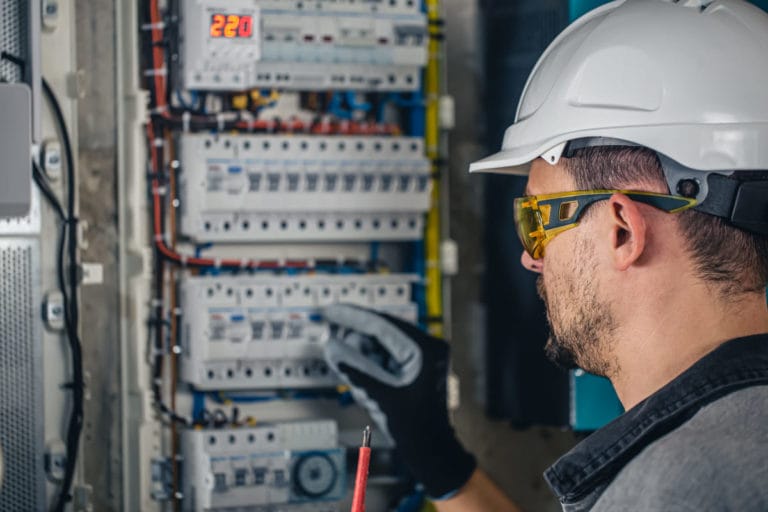

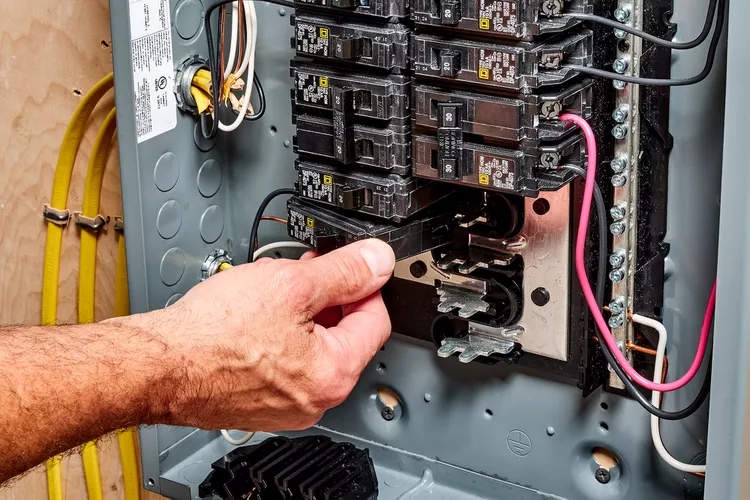
Circuit breakers are essential safety devices that control and protect the flow of electricity within a home. Every electrical circuit in a house runs through a breaker, which acts as a safeguard against dangerous conditions such as overloads and short circuits. Without this protection, excessive current could flow unchecked, leading to overheating, damaged wiring, or even electrical fires.
Modern homes depend heavily on electricity for daily operations, making circuit breakers more important than ever. They ensure that power is distributed safely and efficiently, allowing appliances and systems to function without risk. Their ability to automatically shut off electricity when needed makes them a critical component of any residential electrical system.
How Circuit Breakers Monitor Electrical Current
Circuit breakers continuously monitor the amount of electricity flowing through a circuit. Each breaker is designed with a specific capacity, meaning it can safely handle only a certain level of current. When electrical demand exceeds this limit, the breaker responds by interrupting the flow of power.
This process happens almost instantly, preventing damage before it can occur. The breaker “trips,” cutting off electricity to the affected circuit. Once the issue is resolved, the breaker can be manually reset, restoring power. This resettable design makes circuit breakers more practical and efficient than older fuse-based systems.
Understanding Overloads and Their Impact
An overload occurs when too many electrical devices are connected to a single circuit, drawing more power than it is designed to handle. This is a common issue in areas like kitchens or living rooms where multiple appliances are used at the same time.
When an overload happens, the wiring begins to heat up due to excessive current flow. Circuit breakers detect this increase and shut off power to prevent overheating. For homeowners dealing with frequent overload issues, professional electrical services plymouth mn can help assess and balance circuit loads effectively.
Short Circuits and Immediate Electrical Hazards
Short circuits are more severe than overloads and occur when electricity takes an unintended path. This can happen when wires become damaged or when insulation breaks down, allowing conductors to come into contact with each other.
When a short circuit occurs, it creates a sudden surge of electricity that can produce sparks, heat, and potential fire hazards. Circuit breakers are designed to react immediately in these situations, disconnecting power to prevent serious damage.
Internal Components That Make Circuit Breakers Work
Inside a circuit breaker, several components work together to detect and respond to electrical issues. These include a switch mechanism, sensors that detect heat or magnetic changes, and a trip unit that triggers the shutdown process.
When current exceeds safe levels, these components activate the breaker, causing it to trip. The design ensures consistent and reliable performance, even under repeated use.
Different Types of Circuit Breakers in Homes
Homes typically use a variety of circuit breakers depending on their electrical needs. Standard breakers protect against overloads and short circuits, while more advanced types offer specialized protection.
Ground Fault Circuit Interrupters (GFCIs) are commonly used in areas with moisture, while Arc Fault Circuit Interrupters (AFCIs) protect against wiring-related fire risks. These additional layers of safety ensure better protection across different parts of the home.
Why Circuit Breakers Trip and What It Means
When a circuit breaker trips, it is performing its intended function—protecting the electrical system. Occasional trips are normal and often result from temporary overloads. However, frequent tripping can indicate a deeper issue that needs attention.
Common causes include overloaded circuits, faulty appliances, or damaged wiring. Repeated tripping should not be ignored, as it may signal a system that is under stress.
When Circuit Breakers Indicate System Limitations
In some cases, circuit breakers may reveal limitations within the overall electrical system. Older homes, in particular, may not have enough circuits to handle modern energy demands, leading to frequent overloads and inefficiency.
Upgrading the electrical system or consulting experts like Edison Electric Inc ensures that your panel and circuits are capable of handling current and future electrical loads safely.
Importance of Professional Electrical Evaluation
While homeowners can reset a tripped breaker, diagnosing underlying issues requires professional expertise. Electrical systems are complex, and improper handling can lead to further damage or safety risks.
A professional evaluation helps identify hidden problems and ensures that all components are functioning correctly. This step is essential for maintaining long-term safety and performance.
Conclusion
Circuit breakers are a fundamental part of any home’s electrical system, providing essential protection against overloads and short circuits. Their ability to monitor and control electrical flow ensures safe operation and prevents damage to wiring and appliances.
Understanding how they work allows homeowners to recognize warning signs early and take appropriate action. With proper maintenance and professional support, circuit breakers continue to play a vital role in keeping homes safe, efficient, and reliable.