
Most homeowners never suspect the attic hatch until the hallway below it feels colder than the rest of the house. A pull down stair insulation cover can stop that quiet energy leak without turning your attic into a construction project. In many U.S. homes, the stair panel sits inside the thermal boundary like a thin wooden lid over a hot or cold attic. That weak spot lets conditioned air escape while attic air pushes back into the living space. The result is higher utility bills, uneven rooms, and a heating or cooling system that works harder than it should. Home projects often get judged by how visible they are, but the smartest upgrades usually hide in plain sight. Homeowners who follow trusted renovation guidance from resources like <a href=”https://prnetwork.io/”>practical home improvement insights</a> often learn that comfort begins with small gaps, not grand remodels. Your attic stairs may look harmless, but they can act like an open wallet every season.
Why a Pull Down Stair Insulation Cover Matters More Than It Looks
The attic opening sits in one of the most punished areas of the house. Warm air rises in winter, attic heat presses down in summer, and the stair hatch takes pressure from both sides. That is why this small zone can create comfort problems far beyond its size.
How Attic Access Panels Let Conditioned Air Escape
An attic stair panel usually has thin wood, loose trim, and no serious air seal. That combination creates a hidden path between your living area and the attic. In winter, heated air rises toward the ceiling and slips around the stair frame. In summer, attic heat radiates downward and makes nearby rooms feel stuffy.
A real example is a two-story Colonial in Ohio with a hallway thermostat near the attic stairs. The owner kept lowering the air conditioner because the upstairs hall stayed warm. The problem was not the AC unit. The attic opening was leaking heat into the same zone where the thermostat made decisions.
The counterintuitive part is simple: insulation alone does not fix every attic hatch. Air movement matters first. A thick cover with poor sealing still lets drafts pass around the edge, so the house loses comfort while the product looks “installed.”
Why Small Gaps Create Big Energy Waste
Tiny gaps around attic stairs behave like a long crack left open all year. You may not feel a dramatic draft every day, but the pressure difference between the attic and living space keeps air moving. That slow exchange adds up across heating and cooling seasons.
A homeowner in Texas may notice the upstairs hallway staying warm after sunset, even when the bedrooms cool down. That often happens because attic heat keeps bleeding through the hatch area after the sun is gone. The AC fights a leftover heat source that should have been blocked at the access point.
Good attic hatch weatherstripping does more than save money. It protects the comfort pattern of the house. Rooms stop swinging so much, and the system gets a fair chance to hold the temperature you already paid to create.
Choosing the Right Cover Before You Start Installing
Buying the cheapest attic cover can work in a mild climate, but it can also become a weak upgrade that fails early. The right choice depends on stair size, attic conditions, local climate, and how often you use the space. A cover should fit the home, not the other way around.
Measuring the Attic Stair Opening Correctly
Accurate measuring saves more frustration than any tool in the garage. Measure the rough opening length, width, and height above the folded stairs. The cover must clear the stair assembly when it closes, including hardware, springs, and folded ladder sections.
A common mistake happens when homeowners measure only the visible ceiling trim. That trim does not always match the rough frame inside the attic. If the cover sits on the wrong surface, it can leave gaps or press against the ladder. Neither outcome helps energy performance.
Attic access insulation works best when the cover rests evenly and seals along the full base. A slightly oversized cover is often easier to seal than one that barely fits. Tight sizing may sound neat, but attic framing is rarely as square as it looks from below.
Matching Cover Type to Your Climate
Climate changes the kind of cover you should choose. Homes in Minnesota need stronger resistance against winter heat loss. Homes in Arizona need better defense against attic heat pressing downward. Coastal homes may also need materials that tolerate humidity without sagging or separating.
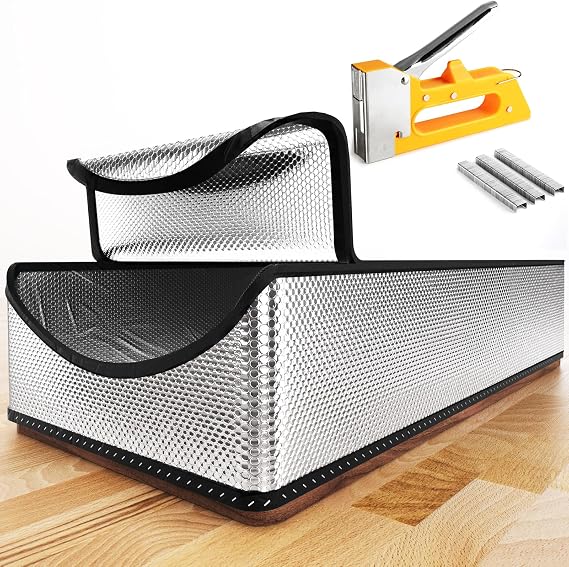
Some covers use rigid foam panels, while others use insulated fabric tents. Rigid covers can hold shape well, but they need enough attic space. Fabric-style covers can work in cramped areas, but they should have a solid zipper or flap that closes tight after every attic visit.
A good attic door insulation kit should feel easy to use. If opening it becomes annoying, someone in the house will leave it unsealed after grabbing holiday bins or air filters. Energy savings disappear fast when convenience loses.
Installing the Cover Without Creating New Air Leaks
Installation looks simple, but the details decide whether the job works. A cover placed over the stair box without sealing the base becomes decoration. The goal is to create a clean boundary around the attic opening and keep that boundary intact every time the stairs move.
Preparing the Attic Frame for a Tight Seal
The attic floor around the stair frame should be clean before installation. Dust, loose insulation, nails, old caulk, and warped trim can stop adhesive strips or sealant from bonding. A few minutes of prep can decide whether the seal lasts through seasons of attic temperature swings.
Start by checking the top edge of the stair frame. It should offer a stable surface for the cover base. If gaps appear between the frame and ceiling drywall, seal them before setting the cover. Those cracks can leak air even if the cover itself performs well.
One homeowner in New Jersey found dark dust lines around the attic stair trim. That was a clue. Air had been moving through those edges for years, carrying attic dust with it. After sealing the frame and adding the cover, the hallway felt less drafty within a week.
Setting, Sealing, and Testing the Cover
Place the cover squarely over the stair opening and check that the ladder closes without touching it. Press the base seal firmly against the frame or attic floor surface. If the product uses adhesive, give it clean contact. If it uses mechanical fasteners, keep pressure even so one corner does not lift.
Pull down stair insulation cover installation works best when you test the seal before you trust it. Close the attic stairs, turn on a bathroom fan or range hood, and feel around the trim with a damp hand. Moving air becomes easier to detect when the house is under slight pressure.
A simple smoke pencil can help, but even a careful hand test catches many obvious leaks. The unexpected lesson is that a perfect-looking install can still leak at one corner. That corner may be the difference between a cover that pays back and one that only looks good in photos.
Keeping Energy Savings Strong After the Installation
The installation is not the finish line. Attic covers sit in a harsh space with heat, cold, dust, humidity, and occasional rough handling. A small maintenance habit keeps the upgrade working long after the first utility bill improvement appears.
Checking the Seal After Seasonal Temperature Swings
Attics expand, contract, and shift more than most homeowners realize. Summer heat can soften adhesives. Winter cold can make seals stiff. If you inspect the cover twice a year, you can catch problems before they turn into comfort complaints.
Spring and fall are good inspection times because they come before heavy cooling or heating seasons. Open the attic stairs, check the cover base, and look for lifted edges, crushed gasket material, or torn fabric. Small repairs usually take minutes when found early.
This is where many homeowners lose savings. They treat the attic cover like a one-time install, then forget it exists. The better habit is simple: inspect it when you change HVAC filters or smoke detector batteries. Tie the task to something you already do.
Pairing the Cover With Smarter Attic Upgrades
An attic cover works better when the surrounding attic is in decent shape. If attic floor insulation is thin, uneven, or pulled back near the stairs, the cover has to fight a bigger problem alone. Restoring insulation around the opening helps the whole area perform as one system.
Attic hatch weatherstripping, sealed trim, and balanced insulation create a stronger boundary than any single product. A ranch home in Kansas, for example, may gain comfort from sealing the stair hatch, but the biggest improvement comes when nearby insulation gaps are also filled.
The surprising truth is that attic upgrades do not need to be dramatic to matter. The best work often looks boring: clean edges, tight seals, proper clearance, and insulation that stays where it belongs. That boring work is what your utility bill understands.
Conclusion
A home does not waste energy only through old windows or tired HVAC equipment. Sometimes the leak sits overhead, folded into the ceiling, waiting for every season to expose it again. The attic stair opening deserves more respect because it touches comfort, cost, and system performance at the same time.
A pull down stair insulation cover gives you a practical way to close that weak point without tearing apart the house. The key is choosing the right size, sealing the frame, testing the result, and checking it before each hard weather season. Skip those details and the upgrade loses force. Handle them well and the hallway below the attic starts behaving like part of the home again.
Walk to the attic stairs, look at the trim, and ask one honest question: would you accept that same gap around an exterior door? If the answer is no, fix it before the next utility bill reminds you.
Frequently Asked Questions
How much energy can an attic stair insulation cover save?
Savings depend on climate, HVAC use, attic insulation, and how leaky the stair opening was before installation. Many homeowners notice better comfort first, then lower heating or cooling strain over time. The biggest gains happen when the cover is sealed tightly.
Can I install an attic door insulation kit by myself?
Most handy homeowners can install one with basic tools, careful measuring, and patience. The job usually involves cleaning the frame, placing the cover, sealing the base, and checking ladder clearance. Complicated stair hardware or damaged framing may call for a contractor.
What is the best material for attic access insulation?
Rigid foam works well when there is enough attic clearance and a stable frame. Insulated fabric covers can fit tighter areas and allow easier access. The best choice is the one that seals tightly, resists attic temperatures, and stays easy to open.
Should I seal the attic stair frame before adding a cover?
Yes, sealing the frame first makes the cover work better. Gaps between drywall, trim, and the stair box can leak air around the cover. Caulk, foam sealant, or proper weatherstripping can close those paths before the insulated cover goes on.
Does attic hatch weatherstripping help without a full cover?
Weatherstripping helps reduce air leaks around the hatch edge, but it does not add much insulation above the stair panel. It works best as part of a full approach that includes an insulated cover and sealed framing around the opening.
How often should I inspect an attic stair insulation cover?
Check it at least twice a year, ideally before peak summer and winter weather. Look for lifted edges, torn material, weak adhesive, or blocked closure points. Regular checks keep small problems from turning into lost comfort and wasted energy.
Can an attic cover cause moisture problems?
A cover should not cause moisture trouble when the attic has proper ventilation and existing air leaks are handled correctly. Problems usually come from trapped humidity, roof leaks, or poor attic airflow. Inspect for moisture stains before installing any insulation product.
Is an attic stair cover worth it in a mild climate?
Yes, but the payoff may be more about comfort than dramatic bill reduction. Mild-climate homes still lose conditioned air through attic openings. A tight cover can reduce drafts, hallway temperature swings, dust movement, and HVAC run time during hot or cold spells.