
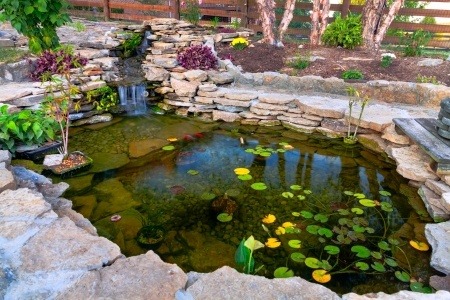
A peaceful koi pond can turn an ordinary yard into the spot everyone remembers. The mistake many homeowners make is treating koi pond construction like a weekend landscaping project instead of a living system that has to hold water, support fish, manage waste, and survive real American weather. A pretty hole in the ground is not enough. Koi need depth, oxygen, shade, circulation, and a layout that still makes sense after the first big storm, heat wave, or leaf drop.
For U.S. homeowners, the smartest pond starts with honest planning, not expensive gear. A yard in Arizona asks different things from a pond than a yard in Michigan, Georgia, or coastal New Jersey. Local soil, freeze depth, sun exposure, tree cover, and city rules all shape the final build. Good backyard projects also benefit from practical home improvement thinking, which is why resources like property improvement planning matter when you want the finished space to feel intentional instead of patched together.
A koi pond rewards patience before it rewards spending. Measure twice. Think about maintenance before beauty. Build for the fish first, and the beauty follows.
Planning Koi Pond Construction Around Your Real Yard
A strong pond begins with the part nobody wants to slow down for: site judgment. You are not only choosing where water looks pretty. You are choosing where pumps can run safely, where runoff will not carry lawn chemicals into the pond, and where you can reach filters without turning maintenance into a weekly punishment.
Choosing a Location That Helps the Pond Work
The best pond location usually sits close enough to the house to enjoy, but not so close that splash, leaks, or digging threaten foundations, patios, or buried utility lines. A corner visible from a kitchen window or back porch often works better than the far edge of the yard. You will notice fish behavior sooner, spot water changes faster, and enjoy the pond more often.
Sun matters more than beginners expect. Koi ponds need some sunlight for a healthy outdoor feel, but harsh all-day sun can heat shallow water and feed algae growth. In much of the U.S., four to six hours of direct sun works well, especially if the pond also gets afternoon shade from a pergola, fence line, or carefully placed planting bed.
Trees bring both beauty and trouble. A Japanese maple beside the water can look stunning, but a large oak dropping leaves, acorns, and pollen into the pond can turn your filter into a full-time job. The counterintuitive truth is simple: the prettiest spot is often not the easiest spot to keep healthy.
Understanding Soil, Drainage, and Yard Slope
Soil decides how easy your build feels from day one. Sandy soil can collapse during excavation if the sides are cut too steep. Heavy clay can hold shape better, but it may become a muddy mess after rain. Rocky soil slows digging and may force design changes that you did not expect when you sketched the pond on paper.
Drainage deserves equal attention. Never place a koi pond where stormwater naturally collects from the lawn, driveway, or neighbor’s yard. That water can carry fertilizer, pesticides, oil residue, mulch dye, and soil into the pond. Fish do not need much contamination for stress to begin.
A gentle yard slope can work in your favor if you design it well. You can use elevation to create a small waterfall, hide filtration behind planting, or direct overflow away from the house. A steep slope, though, may require retaining walls, extra grading, or a smaller footprint. That is where a beginner project can turn expensive before the first liner goes down.
Designing Depth, Shape, and Structure for Healthy Koi
Once the location makes sense, the pond itself has to serve the fish. Koi are not small decoration pieces. They grow, eat heavily, produce waste, and need room to move. A shallow garden pond may support goldfish, but koi ask for a stronger system from the start.
How Deep Should a Backyard Koi Pond Be?
A koi pond should usually be at least 3 feet deep, and deeper is often better in colder or hotter U.S. regions. Depth protects fish from temperature swings, raccoons, herons, and shallow-water stress. In northern states, deeper water also gives koi a safer zone during winter dormancy.
Warm states have their own problem. Shallow ponds heat fast in summer, especially in full sun. Hot water holds less oxygen, and koi feel that stress before many owners notice anything wrong. A pond in Texas, Florida, or Southern California needs shade, movement, and depth working together.
Depth should not come from a simple bowl shape. Better ponds use shelves carefully near the edges for plants or stonework, then drop into a deeper central area where fish can swim freely. Wide shallow shelves may look natural, but they also create standing spots for predators. Nice for raccoons. Bad for koi.
Why Shape Affects Water Quality
A pond with too many dead corners collects debris. Leaves, fish waste, uneaten food, and fine sediment settle where water does not move. Those pockets can turn into poor-water zones that smell bad, feed algae, and strain the filter.
Smooth, flowing shapes usually work better than complicated outlines. A kidney shape, soft oval, or gently curved rectangle allows circulation to push debris toward drains, skimmers, or pump intakes. Sharp coves and narrow side pockets may look interesting on a drawing, but they can become dirty little traps after a few months.
A real example helps. A homeowner in Ohio might want a pond wrapped around a patio corner, with two narrow arms framing the seating area. It sounds charming. In practice, one arm may get weak water movement, heavy leaf buildup, and colder winter pockets. A simpler pond with one waterfall and clear circulation would give the fish a healthier home and the owner fewer headaches.
Building the Pond System Without Cutting the Wrong Corners
This is where enthusiasm can get dangerous. Many beginners spend heavily on visible stone, lighting, or plants, then underbuild the liner, filtration, or plumbing. The pond looks finished for a few weeks, then the water turns green, the pump clogs, and the fish start acting strange.
Liner, Underlayment, and Edge Support
A flexible EPDM pond liner remains a common choice because it handles curves well and lasts when protected. The liner should sit over proper underlayment, not bare soil with sharp roots, stones, or construction debris beneath it. Skipping underlayment is one of those savings that feels smart for one afternoon and foolish for years.
Edges need special care. Water level reveals every mistake around the pond rim. If one side sits lower, the pond may overflow there during rain or expose liner on the opposite side. A level edge also helps stonework look natural, because the eye catches uneven water faster than most people expect.
Rock should protect the edge, not crush the liner. Heavy boulders placed carelessly can stretch, pinch, or puncture material over time. A better approach uses stable shelves, padding where needed, and stones set with their weight supported by soil or structure instead of hanging on the liner.
Filtration, Pumps, and Oxygen
Healthy water depends on three jobs: mechanical filtration, biological filtration, and oxygen. Mechanical filtration catches visible debris. Biological filtration supports beneficial bacteria that process fish waste. Oxygen keeps koi, bacteria, and the whole pond system alive.
Pump size has to match pond volume, head height, waterfall flow, and filter capacity. A pump that looks strong in the box may perform poorly once it has to push water uphill through pipe and filter media. Bigger is not always smarter either. Too much flow can create harsh current, waste power, and make fish work harder than needed.
A waterfall adds movement and sound, but it should not be the only oxygen plan in a serious koi pond. Air pumps and diffusers often make a major difference, especially during hot weather. The quiet hero of many ponds is not the waterfall people admire. It is the air system working under the surface.
Stocking, Maintenance, and Long-Term Pond Care
A finished pond is not the end of the project. It is the beginning of the relationship. Koi reward steady care, and they punish neglect slowly at first, then all at once. The owner who builds a maintenance rhythm early has a better pond than the owner who waits for problems to become visible.
Adding Koi Without Overloading the Water
New ponds need time before they can safely support fish. The filter has to develop beneficial bacteria, and the water chemistry needs to settle. Adding too many koi too soon creates waste faster than the system can process it. That is when ammonia spikes, cloudy water, and stressed fish enter the story.
Start with fewer fish than the pond appears able to hold. Koi grow large, and a small fish from a garden center can become a serious presence over time. Crowding does not only make the pond look busy. It increases waste, lowers oxygen margins, and makes disease spread faster.
Quarantine is another habit beginners often skip. New koi can carry parasites or illness even when they look healthy. Keeping new fish separate before adding them to the main pond protects the entire collection. It feels cautious until it saves you from losing fish you already care about.
Seasonal Care Across U.S. Climates
Maintenance changes with the calendar. Spring asks for inspection, partial cleaning, pump checks, and careful feeding as water warms. Summer demands oxygen awareness, algae control, and steady filter care. Fall brings leaf management. Winter depends heavily on your region.
Northern pond owners should avoid smashing ice or shocking fish during cold months. A de-icer or air hole can help gas exchange while koi rest in deeper water. Feeding should slow and stop based on water temperature, not on the owner’s mood or the fish begging at the surface.
Southern pond owners fight different battles. Long heat, evaporation, and sudden storms can shift water quality fast. Topping off water, protecting from runoff, and watching oxygen levels matter more than winter ice concerns. One country, many pond realities. That is why local thinking beats one-size advice every time.
Conclusion
A koi pond is one of those backyard features that exposes the difference between decoration and design. The water may look calm, but everything underneath is active: fish, bacteria, pumps, oxygen, waste, roots, sunlight, and weather. When those pieces work together, the pond becomes more than a feature. It becomes a living center of the yard.
The best koi pond construction decisions are usually the least flashy ones. A better location beats a bigger waterfall. A deeper pond beats a wider shallow one. Strong filtration beats expensive stone. Patience beats impulse buying almost every time. That may not sound glamorous, but it is the truth that keeps fish alive and owners happy.
Start with your yard, your climate, your budget, and your willingness to maintain the system. Then build a pond that respects all four. Before you dig, sketch the layout, mark the edges, price the hidden equipment, and check local rules. Build the pond slowly enough that you only have to build it once.
Frequently Asked Questions
How much does a backyard koi pond cost for beginners?
A beginner koi pond can cost a few thousand dollars for a modest build, while larger custom ponds can cost far more. Size, liner quality, filtration, rockwork, excavation, and electrical work drive the price. Cheap builds often become expensive later when water quality problems appear.
What is the best depth for a koi pond in the USA?
A depth of at least 3 feet works well for many U.S. backyard ponds. Colder regions may need deeper water for winter safety, while hotter areas benefit from depth that protects fish from heat swings. Local climate should guide the final depth.
Can koi live in a pond without a waterfall?
Koi can live without a waterfall if the pond has strong filtration and enough oxygen from air pumps or diffusers. A waterfall helps with movement and surface gas exchange, but it is not a substitute for a well-sized life-support system.
How many koi should a beginner pond have?
A beginner should start with fewer koi than the pond seems able to hold. Koi grow large and produce heavy waste, so crowding creates water problems fast. Starting small gives the filter time to mature and gives the owner room to learn.
Do backyard koi ponds need permits?
Some U.S. cities or homeowners associations may require permits, fencing, electrical inspections, or drainage approval. Rules vary by location, pond depth, and property type. Check city code and HOA guidelines before digging to avoid expensive corrections later.
What should go under a koi pond liner?
A proper underlayment should go beneath the liner to protect it from rocks, roots, and rough soil. Many builders use commercial pond underlayment, with added padding in risky areas. Bare liner against uneven ground increases the chance of punctures.
How often should koi pond filters be cleaned?
Filter cleaning depends on fish load, pond size, season, and filter type. Mechanical filters may need frequent attention during heavy feeding or leaf drop. Biological media should be cleaned gently with pond water so helpful bacteria are not destroyed.
Is a koi pond hard to maintain year-round?
A koi pond is manageable when built correctly and maintained on schedule. Most problems come from poor planning, weak filtration, overfeeding, or too many fish. Weekly observation, seasonal cleanup, and steady water care keep the work under control.