
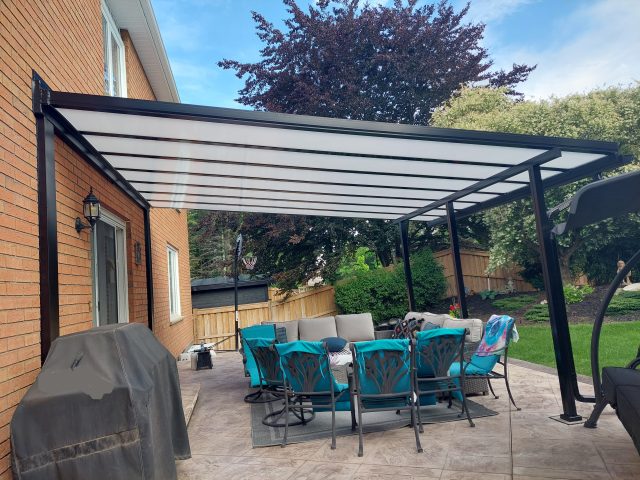
A tired carport roof usually fails in small ways before it fails in loud ones. A loose washer, a cloudy sheet, a rust line around one screw, or a panel that rattles during a Texas thunderstorm can tell you more than a dramatic leak ever will. For many U.S. homeowners, carport roof panel replacement is not about making the structure look new. It is about stopping water before it reaches the vehicle, the slab, the stored tools, and the framing beneath.
Polycarbonate and metal panels both earn their place, but they do not age the same way. One cracks, yellows, expands, and flexes. The other dents, corrodes, sweats, and pulls at fasteners over time. A smart replacement starts with reading the failure pattern, not guessing from the curb. Homeowners comparing materials, repair timing, and exterior project planning can also follow broader home improvement publishing insights when weighing practical upgrades that protect property value.
Reading the Roof Before You Remove a Single Panel
A carport roof tells the truth if you slow down enough to inspect it. Most bad replacements happen because someone sees one leak and treats the whole roof like one flat problem. The better move is to study where the roof fails, how water travels, and which material is causing the trouble.
Why leaks rarely start where water shows up
Water has a sneaky habit of entering at one point and showing itself several feet away. A drip near the front bumper may begin at a screw hole higher up the slope. A wet post may trace back to a cracked end lap, not the corner above it.
This matters because replacing the wrong panel wastes money and patience. On a sloped carport in Ohio, for example, a homeowner may blame the lowest polycarbonate sheet after snowmelt drips near the edge. The real issue may sit two panels uphill where thermal movement widened a screw hole.
Metal roofs play the same trick with fasteners. A washer can harden, shrink, and let water creep under the screw head. Once water finds the rib, gravity carries it along the underside until it drops at a seam that looks guilty but is not.
The damage pattern tells you what failed
Polycarbonate usually gives you visual warnings before it becomes useless. Yellowing, spider cracks, brittle edges, and hazy panels show that sunlight and heat have worked the material hard. A panel can still block rain while losing strength, which makes it risky during hail or high wind.
Metal panels fail with a different language. Rust freckles, loose screws, oil-canning waves, and white oxidation on coated panels point to age, poor drainage, or mismatched fasteners. In coastal parts of Florida or the Carolinas, salt air can speed up that wear even on panels that looked fine a year earlier.
The counterintuitive part is simple. The ugliest panel is not always the first one to replace. A faded polycarbonate sheet may still perform, while a clean-looking metal panel with bad fastener holes may leak every storm. Function beats appearance when the roof protects a vehicle every day.
Carport Roof Panel Replacement for Polycarbonate Sheets
Polycarbonate panels look light and simple, which is why people underestimate them. They need room to move, clean support lines, and the right fasteners. Treat them like stiff glass, and they punish you later.
How polycarbonate movement changes the job
Polycarbonate expands and contracts more than many homeowners expect. Heat across a summer afternoon can make a long sheet grow enough to stress screw holes, edges, and overlap points. That movement is normal, but the installation must allow for it.
Drilling holes slightly larger than the screw shank helps the panel move without tearing around the fastener. Rubber washers should seal without crushing the sheet. Tightening until the panel dimples may feel secure in the moment, but it often creates tomorrow’s crack.
A practical example shows up in backyard carports across Arizona and Nevada. A clear panel installed tight in spring may bow by August because the sheet has no breathing room. The leak appears months later, after repeated heat cycles turn one stressed hole into a split.
Choosing the right panel thickness and profile
Thin polycarbonate panels may save money up front, but they can feel flimsy on wide rafter spacing. Thicker panels resist impact better and tend to feel steadier in wind. The support frame decides what thickness makes sense, not the shelf label alone.
Matching the old panel profile also matters. Corrugated, ribbed, and multiwall sheets do not always sit cleanly on the same closure strips. A small profile mismatch can leave gaps that invite wind-driven rain, insects, and rattling.
Polycarbonate roofing works best when the system matches from top to bottom. That means compatible closure strips, UV-protected side facing upward, proper overlap, and edge sealing where the product calls for it. Skip one piece, and the panel may still look fine on day one while already being set up to fail.
Metal Carport Panels Need a Different Kind of Discipline
Metal looks tougher, and in many ways it is. That strength can fool people into rough handling. A bent rib, scratched coating, or badly placed screw can create a leak path that no amount of caulk will fix for long.
Why fastener placement matters more than muscle
Metal carport panels depend on clean fastening. Screws need to sit square, washers need even pressure, and holes should land where the panel manufacturer expects them. Driving screws at an angle is one of those small mistakes that grows teeth during the first hard storm.
Overtightening can split washers or deform the panel around the hole. Undertightening lets the panel lift and chatter in wind. Neither mistake announces itself during installation, which is why the best installers work with steady pressure instead of speed.
A Midwestern homeowner replacing panels after hail damage may focus on dents and miss the screw pattern. That is a costly miss. A new panel with poor fastening can leak sooner than the dented one it replaced.
Rust, coating damage, and mixed metals
Metal roofing does not fail only from age. It can fail from scratches, trapped debris, and contact between metals that do not belong together. A steel panel paired with the wrong fastener can start a corrosion problem around each screw.
Cut edges deserve attention too. Sawing or trimming panels can leave exposed metal that needs protection. Small filings left on the roof can rust and stain the surface, making a new project look neglected within weeks.
The surprise here is that caulk is often a confession, not a repair. A roof covered with sealant around every screw is usually telling you the fastening plan failed. Good metal work relies on fit, slope, overlap, and washer pressure first. Sealant plays backup.
Safer Removal, Cleaner Installation, and Better Drainage
Replacement day can either solve the roof problem or build the next one. The difference often comes down to staging, weather, and respect for the carport frame. Panels are only as good as the structure carrying them.
Removing old panels without damaging the frame
Old screws may strip, snap, or spin in weakened wood or thin metal framing. Working slowly protects the structure beneath the roof. A damaged purlin or bent support rail can turn a panel swap into a bigger repair.
Start from the downwind edge when possible, and avoid removing too many panels at once on a breezy day. Large sheets catch wind like sails. That is not a dramatic warning; it is the kind of simple jobsite reality that keeps people off ladders and out of urgent care.
The frame needs inspection once the panels come off. Look for rot, rust, loose brackets, sagging members, and old holes that no longer hold fasteners. Reusing weak attachment points is one of the fastest ways to make a new roof act old.
Drainage decides whether the replacement lasts
A carport roof with poor drainage will punish any material. Water that ponds on low spots carries dirt, leaves, pollen, and grit. Over time, that mess sits against fasteners and seams until the roof starts to complain.
Slope matters, but so does the exit path. Gutters, drip edges, and open panel ends need to move water away from posts and stored items. In rainy parts of the Pacific Northwest, a clean drainage path can matter as much as panel choice.
Replacement is also the right time to check nearby trees. A roof under constant leaf drop ages differently than one in open sun. Shade protects panels from some heat but keeps surfaces damp longer, which can feed algae on polycarbonate and corrosion around metal fasteners.
Cost, Timing, and Material Choice for U.S. Homeowners
A smart project budget does not begin at the cash register. It begins with the roof’s purpose. A carport protecting a daily driver in hail country has different needs than a shade cover for weekend storage in Southern California.
When partial replacement makes sense
Partial replacement works when the damage is isolated and the remaining panels still have life. One cracked polycarbonate sheet from a fallen branch does not demand a full roof tear-off. One dented metal panel from a ladder accident may be the same story.
Age changes that calculation. Mixing new panels into a roof near the end of its service life can create uneven color, uneven strength, and uneven movement. Saving money today may leave you repeating the setup next season.
Homeowners should also think about availability. Some older panel profiles become hard to match. When the profile is discontinued, a partial repair can require awkward overlaps or special ordering. At that point, full replacement may be cleaner, safer, and less irritating.
Matching material to climate, noise, and light
Polycarbonate makes sense when daylight matters. It keeps a carport from feeling dark, and it can brighten an entry path beside the house. The tradeoff is heat, glare, and long-term sun wear, especially in high-UV regions.
Metal fits homeowners who want shade, strength, and a longer service feel. It can handle rough weather well when installed right, but it brings noise during rain and can darken the space beneath. Condensation may also matter in humid areas if airflow is poor.
Carport roof panel replacement should feel less like a cosmetic refresh and more like a weather decision. Your best material is the one that suits your climate, your frame, and your tolerance for maintenance. Start with the roof you have, not the roof a product label promises.
Conclusion
A carport roof does not need to be fancy to protect what matters. It needs the right panel, the right fastener, the right overlap, and enough respect for weather to avoid careless shortcuts. That is where many homeowner projects split into two paths: one roof quietly does its job for years, while the other becomes a seasonal argument with leaks.
The best time to plan carport roof panel replacement is before the carport starts dripping during every storm. Walk the roof from below, study the failure pattern, inspect the frame, and choose material based on climate instead of habit. Polycarbonate and metal both work when installed with their weaknesses in mind.
Do not treat this project like a quick cover-up. Treat it like the protective shell it is. Before you buy panels, measure twice, check the support spacing, match the profile, and decide whether partial repair or full replacement gives you the cleaner long-term result.
Frequently Asked Questions
How do I know when carport polycarbonate panels need replacing?
Cloudy surfaces, cracks around screws, brittle edges, leaks at overlaps, and yellowing are strong signs. A panel may still block some rain while losing impact strength. Replace it before hail, wind, or snow load turns small damage into a larger failure.
Are metal carport roof panels better than polycarbonate panels?
Metal panels usually offer better shade, strength, and long service life. Polycarbonate panels bring natural light and a lighter look. The better choice depends on your climate, frame spacing, noise tolerance, and whether you want brightness under the carport.
Can I replace one damaged carport roof panel only?
One-panel replacement works when the rest of the roof is sound and the profile still matches. Check color fade, fastener condition, and panel age first. A single new panel on a worn roof may solve one leak while leaving several others close behind.
What screws should I use for metal carport panels?
Use roofing screws made for the panel type, with bonded washers and corrosion-resistant coating suited to your location. Match screw length to the framing material. Avoid mixing metals that can react over time, especially in coastal or high-moisture areas.
Why do polycarbonate carport panels crack around screws?
Cracks often come from tight fasteners, undersized drill holes, poor support, or thermal movement. Polycarbonate needs space to expand and contract. Screws should seal the panel without crushing it, and holes should allow slight movement during heat changes.
Should I remove old carport roof panels myself?
DIY removal can work for small, low carports with stable framing and calm weather. Tall structures, brittle panels, electrical hazards, steep slopes, or windy conditions call for professional help. Large panels can catch wind fast, and that risk is easy to underestimate.
How long do replacement carport roof panels last?
Service life depends on material quality, sun exposure, weather, fastening, and maintenance. Metal often lasts longer when coatings stay intact and fasteners remain sealed. Polycarbonate can perform well too, but UV exposure and heat cycles usually decide its lifespan.
What should I check before buying new carport panels?
Measure panel length, width, rib profile, overlap, support spacing, slope, and fastener type. Inspect the frame for rot, rust, sagging, and loose attachment points. Buying panels before checking the structure can leave you with materials that do not fit or last.


