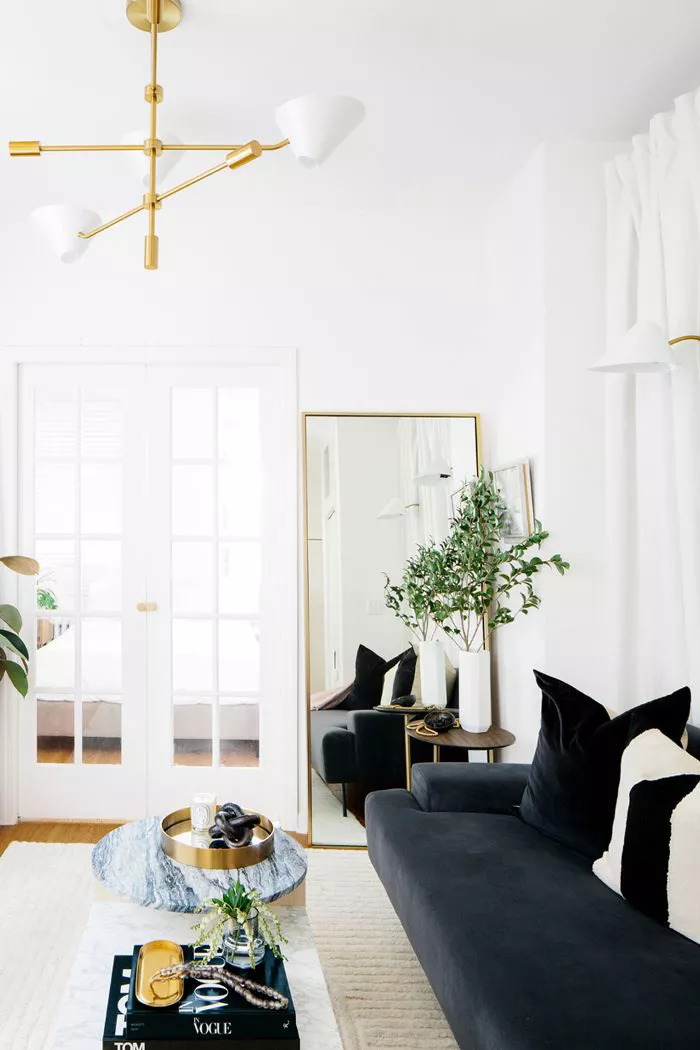


A room can look expensive, calm, and put together without feeling staged. That shift rarely comes from buying more things. It comes from making sharper choices. Most homes do not suffer from a lack of taste; they suffer from scattered decisions that compete for attention and leave the room tired before you even sit down.
The strongest Interior Decor choices begin when you stop treating decorating like shopping and start treating it like editing. That is the difference. The homes people remember are not packed with trendy pieces. They hold a point of view. If you are sharing your design story through a platform for home and lifestyle visibility, the same rule applies: clarity beats noise. Your space should not try to impress everyone at once. It should make daily life feel easier, softer, and more grounded. That means noticing how light hits the walls at noon, how your eye moves when you enter the room, and why one chair feels right while another one keeps looking like a mistake. Good decorating is less about flair than judgment. Once you understand that, your home starts changing in ways that feel lasting rather than temporary.
Start with the room you already have
Most decorating mistakes happen before a single item is bought. They happen when you ignore the room itself. Walls, windows, ceiling height, doorway placement, and natural light already set the terms. You are not working on a blank canvas, no matter how much online inspiration tries to convince you otherwise. A home feels settled when the decor respects the architecture instead of fighting it.
Let the architecture call the shots
Strong rooms have a backbone. Sometimes it is a fireplace. Sometimes it is a wide window, an old archway, or even the longest uninterrupted wall. Once you identify that anchor, decisions become cleaner. The sofa faces the point of gravity. The rug supports it. Lighting reinforces it. The room stops wandering.
Too many homeowners decorate as if every wall deserves equal attention. That instinct weakens the space. When everything is highlighted, nothing stands out. A modest living room with one clear focal point often feels stronger than a larger room filled with competing moments. Restraint is not dull. It is what makes the room readable.
A narrow dining area proves this fast. If the table, pendant light, art, and sideboard all pull in different directions, the room feels tense. Align them around one central story and the tension drops. The space starts making sense before anyone can explain why.
Choose one visual anchor and protect it
A visual anchor gives the room a center of emotional weight. That might be a large artwork, a textured headboard, a deep-toned sofa, or even a shelf wall done with discipline. Once you choose it, the rest of the room should support that decision instead of trying to steal its role.
This is where many home styling ideas fall apart. They look striking in isolation, then collapse when stacked together in one room. A boucle chair, a sculptural lamp, a patterned rug, and a dramatic mirror may each be attractive. Put them together without hierarchy and the room begins to shout. Homes do not need louder objects. They need better order.
The smarter move is to let one piece carry the drama and give the surrounding pieces quieter jobs. A bold velvet sofa can work with plain curtains, simple side tables, and restrained art. The result feels intentional rather than crowded. That is the kind of balance people feel before they name it.
Color layering changes how a room feels
Color is not a finishing touch. It decides mood before furniture ever gets credit. A room with average furniture and strong color judgment will beat a room with expensive furniture and weak color judgment almost every time. The mistake is thinking color means paint alone. It does not. It lives in wood tone, fabric, metal, shadow, and even the absence of color.
Why undertones matter more than paint names
Paint names sell fantasy. Undertones decide whether the room works. A creamy white with a yellow cast behaves nothing like a white with gray beneath it. The same goes for beige, green, brown, and blue. That is why a color that looked polished in a showroom can turn muddy in your home by late afternoon.
Good color layering starts by noticing what is already fixed in the room. Floor tone matters. So do stone counters, tile, brick, and large wood furniture pieces. If your flooring leans warm and your walls lean cold, the room may never feel settled no matter how many accessories you add. The issue is not style. It is friction.
A smarter approach is to build the room through temperature and depth. Start with the fixed surfaces, then add textiles and accents that echo or gently contrast them. That creates coherence without making the room flat. The effect is quiet, but it changes everything.
Use contrast in measured doses
Contrast gives shape to a room. Without it, spaces drift into bland sameness. With too much of it, they feel jumpy. The sweet spot sits in controlled contrast: one dark note against softer materials, one crisp edge against softer textures, one polished finish among matte surfaces.
A pale room often needs a grounding element more than it needs another neutral throw. That might be a dark wood bench, black-framed art, or a rust-toned chair that introduces heat. One shift can sharpen the whole room. Not always. But often enough.
This is where decor details either help or hurt. A tray, vase, lamp base, or curtain rod may seem minor, yet those pieces often carry the contrast that keeps a room from feeling unfinished. Small objects are never small when they control rhythm. They either steady the room or scatter it.
Furniture placement decides whether a room breathes
People blame size when layout is the real problem. A room can be large and awkward or small and deeply comfortable. Furniture placement decides which version you get. The goal is not to fill the room evenly. The goal is to make movement feel natural and seating feel useful. Those are different things.
Why room layout flow changes daily life
A beautiful room that interrupts movement is a bad room. That sounds harsh, but it is true. You notice it when you keep sidestepping a coffee table, squeezing past dining chairs, or avoiding a corner because it feels blocked. Daily irritation has a way of ruining visual beauty.
Strong room layout flow comes from protecting the paths people actually use. The line from the doorway to the sofa matters. So does the route from the bed to the closet, or from the kitchen island to the dining table. These paths should feel open without making the room empty. The balance is subtle, but once you get it right, the room relaxes.
Open-plan homes make this even more important. You cannot rely on walls to define zones, so furniture has to do the work. A rug can hold a conversation area. A console can mark a threshold. A chair angled toward the sofa can close a seating group without blocking movement. Layout is not about symmetry first. It is about behavior.
Scale is where most homes go wrong
People often buy furniture in isolation and only discover the mistake when it arrives. The sofa is too shallow. The side table is too tiny. The pendant hangs like an afterthought. Scale problems make a room feel less confident than any color mistake ever will.
This is why home styling ideas from social media often mislead. What looks balanced on screen may depend on ceiling height, lens distortion, custom pieces, or room width you do not have. Copying the look without reading the scale sets you up for disappointment. The smarter question is not, “Do I like this piece?” It is, “Does this piece belong in this exact room?”
A large sectional in a narrow living room can make every walkway feel pinched. On the other hand, a too-small rug under a proper seating arrangement makes the room feel accidental. Scale is emotional as much as visual. When proportions are right, the room feels generous. When they are wrong, the room feels apologetic.
Interior Decor works when details earn their place
Once the larger moves are right, the finishing layer matters more. This is where people either sharpen the room or undo all their progress. Details should not be random fillers tossed in at the end. They should reinforce what the room already says. A home gets depth when the last ten percent is handled with care.
Decor details should finish a story, not start one
The finishing pieces in a room should clarify the mood, not invent one from scratch. If the room already feels grounded, your accessories can add texture, softness, and contrast. If the room still feels uncertain, no stack of books or ceramic objects will save it. Styling cannot rescue weak structure.
Good decor details tend to repeat something already present. A bronze lamp might echo warm wood. A ribbed vase might mirror the texture of a woven chair seat. A soft linen shade may pick up the quiet mood of the curtains. Repetition, used lightly, gives the room memory.
This is also where editing matters most. One shelf with breathing room will beat three crowded surfaces every time. A console table does not need eight objects to feel finished. It may need one lamp, one bowl, and one piece of art leaning behind both. The point is not emptiness. The point is control.
Repeat a rhythm instead of chasing novelty
Rooms hold together when they repeat a rhythm. That rhythm can come from curved shapes, dark accents, warm woods, matte finishes, or soft fabrics. Once you find it, echo it in two or three places and stop. Repetition creates continuity. Overstatement kills it.
This is why color layering works best when it moves through the whole room rather than landing in one loud corner. A rust tone in a cushion can return in artwork, then whisper again in pottery or a throw. A muted olive can appear in drapery trim, then quietly show up in a lamp base. The room begins to feel composed rather than assembled.
That sense of rhythm is what makes a home feel personal without looking busy. Not every item needs a story, and not every surface needs attention. Some spaces need one good chair, a grounded lamp, and silence around them. The confidence to leave room undone for a while is often what lets the right answer appear.
Make your home feel finished without making it rigid
A good home never feels frozen. It feels settled, then ready for life to move through it. That is the standard worth chasing. You do not need endless shopping trips or a perfect match between every finish and fabric. You need sharper judgment, a stronger eye for proportion, and the discipline to stop adding once the room has said enough.
The best Interior Decor decisions usually look simple after they are made, which is why people underestimate them. Yet those decisions shape how you wake up, host friends, rest at night, and move through ordinary hours. A room that supports you changes your mood without asking for applause. That is the real win. So start with one space, read what the room already wants, and fix the choices that interrupt its calm. Then build from there with patience. Your next step is not to buy more. It is to edit harder, place smarter, and let the home you already have become the one you were trying to create all along.
Frequently Asked Questions
What are the best decor tips for homes that feel too plain?
Start by adding contrast before adding clutter. A plain room often needs one darker tone, one richer texture, and a clearer focal point. When those three pieces lock in, the space feels finished faster than it would with more accessories.
How can I make a small living room look better without renovating?
Use fewer, better-sized pieces and protect clear walking paths. A compact room improves when furniture stops blocking movement and the rug properly anchors the seating. Light control, wall color, and one strong focal point can change the room more than extra storage furniture.
Why does my home still look off after buying new furniture?
New furniture cannot fix a weak layout or mixed undertones. Rooms feel off when the proportions are wrong, the focal point is unclear, or the materials clash. Fix the structure first, then judge whether the furniture still deserves a place.
How do I choose colors that make a room feel calm?
Work from undertones instead of paint names. Look at flooring, countertops, and large wood pieces first, then build around their warmth or coolness. Calm rooms usually rely on close tonal relationships with one or two deeper notes for shape.
What is the biggest mistake people make when styling shelves and tables?
They add objects before creating balance. Styling works when height, texture, and empty space are all present at once. A crowded surface looks nervous. A controlled surface looks finished, even when it holds fewer items than you expected.
How can I improve room layout flow in an awkward space?
Map how you walk through the room before moving anything. Protect those paths, then group furniture around conversation or function rather than symmetry alone. Awkward rooms improve when movement feels natural and each zone has a clear purpose.
How often should I update decor in my home?
Update when the room stops serving you, not when trends shift. Most spaces need editing more often than they need replacing. Swapping lighting, textiles, art, or accent pieces can refresh a room without forcing a full redesign every season.
What makes a home look thoughtfully decorated instead of overdone?
Hierarchy makes the difference. One focal point, repeated materials, controlled contrast, and restraint on surfaces create a room that feels intentional. Overdone homes usually have too many statements competing at once, which leaves the eye with nowhere to rest.