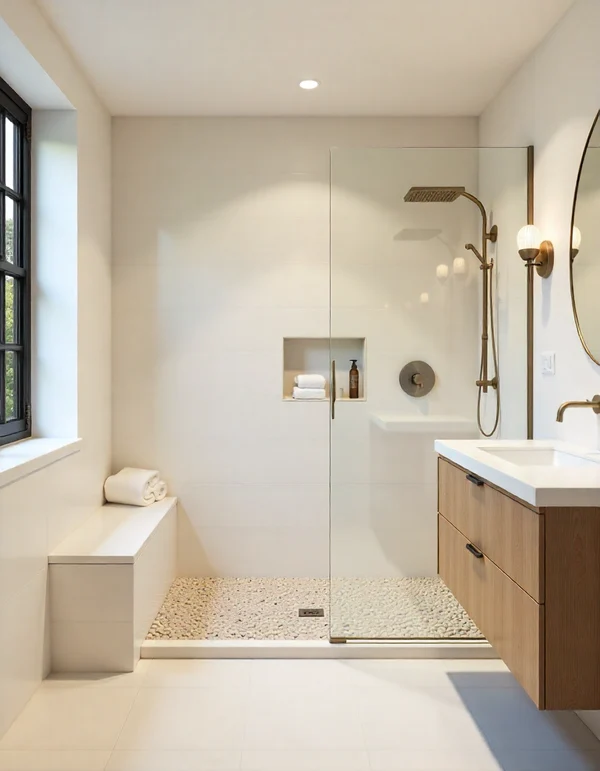


A home can look expensive and still feel dead. That is the mistake most people make when they chase trends instead of building rooms that carry mood, function, and memory at the same time.
The strongest interior guide is not the one packed with fancy products. It is the one that helps you see your space clearly. A good room does more than match colors or hold furniture. It slows your pulse when you walk in after a long day. It gives your eyes a place to land. It makes daily life easier without shouting for attention. That shift matters because beautiful rooms are rarely born from bigger budgets. They come from sharper choices.
You do not need to tear down walls or buy a truckload of new pieces. You need better judgment about what earns a place in the room and what quietly ruins it. That means knowing when to leave space empty, when to add weight, and when one small change can rescue an entire corner. Beauty is not decoration piled on top of chaos. Beauty is order with warmth. Once you understand that, your home starts working for you instead of asking for constant fixes.
The Interior Guide That Changes How You See a Room
Most rooms fail before a single cushion or lamp enters the picture. They fail at the level of structure. You can decorate around a weak layout for years and still end up with a room that feels off in your bones.
Start with movement, not furniture
A room should tell your body where to go before your brain has to think about it. That is why the first job is not picking a sofa. It is clearing the pathways that make the room feel calm. When people squeeze pieces against every wall, the space looks fuller but moves worse. The result is a room that feels crowded even when it is technically tidy.
Strong room layout tips begin with walking patterns. Look at the path from the doorway to the main seat, then from that seat to a window, shelf, or side table. If those paths force awkward turns, the room will always feel tense. Shift pieces to support movement first. Beauty follows flow more often than people think.
The same principle shows up in small homes. A narrow living room can feel wider when you float a sofa a few inches off the wall and let a rug define the zone. A dining chair that slides out cleanly is not a small win. It changes how the room behaves every day. Function is not separate from beauty. It is the frame that lets beauty land.
Build visual weight where the room needs it
Every room has a weak side. Sometimes it is a blank wall that feels ignored. Sometimes it is a low, flat cluster of furniture with nothing to anchor the eye. You do not fix that by adding random decor. You fix it by giving the room weight in the right place.
This is where beautiful home design gets interesting. The eye wants balance, not sameness. A tall bookshelf can steady a long sofa. A darker chair can stop a pale room from drifting into blandness. A single oversized artwork can do more than six small framed prints fighting for attention. One bold move often beats a dozen polite ones.
Scale is the silent judge in every room. A tiny rug under large seating makes the whole area look accidental. A short lamp beside a deep chair leaves the corner visually weak. When a room feels unfinished, the problem is often not style. It is weight, height, and proportion being out of sync.
Color and Materials Decide Whether a Home Feels Flat or Alive
Once the structure works, the room needs texture and tone. This is where many homes either wake up or fall apart. Good layouts can still feel cold when every surface speaks the same language in the same volume.
Choose a palette with tension, not perfect matching
Perfect matching is one of the quickest ways to kill energy in a room. When the sofa, rug, walls, and curtains all sit in the same polite zone, the space becomes forgettable. Calm does not mean bland. Calm needs contrast in controlled doses.
The best smart decor ideas often come from restraint. Pick a base palette that feels steady, then give it one note that cuts through. In a soft neutral room, that might be black metal, deep olive, clay, or walnut. In a darker room, it may be linen, warm oak, or aged brass. The point is not drama for its own sake. The point is to keep the room breathing.
A home becomes richer when colors have jobs. Warm shades can pull seating closer. Cooler tones can create space around a bed or dining area. A single darker element near the floor can ground a room that feels floaty. These moves sound subtle, yet they shape emotion faster than expensive decor ever will.
Layer materials so the room feels touched by real life
A beautiful room should not feel like a showroom that nobody is allowed to use. The fastest route to depth is material contrast. That means soft against hard, matte against shine, woven against smooth. You need friction between surfaces or the room reads as one flat note.
This is where cozy luxury style earns its name. Not because it is flashy, but because it feels generous. Think linen curtains that move with the air, a wood table that shows grain, a ceramic lamp with slight irregularity, or a nubby throw that invites use. Luxury without softness becomes cold. Softness without structure becomes sloppy.
Pay attention to what your hand would notice even before your eye does. A leather pull on a cabinet, a heavy cotton coverlet, a stone tray on a dresser, a boucle chair in a quiet corner. Those details create intimacy. They also make the room harder to copy because they come from feel, not trend.
The same rule applies in kitchens and bathrooms. Hard surfaces dominate there, so texture matters more. A runner, wood stool, ribbed glass, or matte finish can stop those rooms from feeling sterile. A home becomes memorable when each room has at least one surface that feels human.
Lighting Makes or Breaks the Mood Faster Than Furniture Ever Will
Bad lighting can humiliate a good room. That sounds harsh, but it is true. You can have the right sofa, the right colors, and the right art, then ruin the whole effect with one cold overhead bulb.
Stop relying on one ceiling light
A single bright ceiling fixture flattens the room and wipes out depth. It turns every surface into a plain fact. Homes feel better when light comes from different heights and directions. That creates shadows, glow, and a sense that the room changes as the day moves.
Practical room layout tips should always include lighting zones. Put light where life happens. A floor lamp by the reading chair. A table lamp near the sofa. A sconce or pendant where the eye needs lift. When every activity has its own source of light, the room starts feeling intentional instead of dumped together.
This matters even more at night. Evening light should soften edges, not expose them. If your room only looks good at noon, it is not finished. A home has to carry itself after sunset, when mood matters more than square footage.
Treat lighting like atmosphere, not utility alone
The best rooms use light to shape emotion. That means dimmer pools, warmer bulbs, and enough contrast to make the room feel layered. You are not trying to light every inch equally. You are trying to create places within the room that invite different kinds of living.
Strong beautiful home design often depends on where shadows fall. A lamp washing light onto a textured wall can make a plain corner feel rich. Under-cabinet lighting in a kitchen can calm the whole room at night. A bedside lamp with a fabric shade can make even a simple bed feel considered.
One overlooked trick is to let one corner stay quieter than the rest. Not dark, but softer. That small drop in brightness gives the room depth. It also gives your eyes relief. Homes feel elegant when they stop trying to perform at full volume from wall to wall.
There is also a practical side to this. People look better in layered lighting. Food looks better. Wood looks warmer. Textiles look deeper. Good light does not decorate the room after the fact. It reveals what the room already has and makes it worth noticing.
Beauty Lasts When the Room Supports Daily Life
A room is not beautiful if you have to fight it every day. You should not need a ten-minute reset each time you sit down, cook dinner, or get ready for bed. Lasting beauty comes from systems that protect calm without making the room feel rigid.
Edit harder than you shop
Most homes do not need more objects. They need fewer weak ones. Clutter is not only about mess. It is also about visual noise from items that do not belong, do not fit, or do not deserve attention. Editing is the fastest upgrade most rooms will ever get.
This is where smart decor ideas beat impulse buying every time. Remove the filler first. Take out the undersized side table, the art that says nothing, the basket doing three jobs badly, the chair nobody likes to sit in. Once the noise drops, the strong pieces finally have room to speak.
Editing also saves money because it reveals the real gap. Maybe the room does not need more decor at all. Maybe it needs one larger rug, one stronger lamp, or one cabinet that hides the things you use every day. Clarity keeps you from solving the wrong problem.
A useful home should also make maintenance easy. Open shelving can look striking, but it punishes you if your daily habits are messy. Pale fabrics can look clean, but only if the room is not doing heavy family duty. Style has to respect the life being lived inside it or it collapses under pressure.
Create comfort that feels earned, not staged
The homes people remember are rarely the ones with the most expensive objects. They are the ones that feel settled. There is a difference. Settled rooms look like someone thought carefully about where morning coffee goes, where guests set a bag, where a child reads, or where shoes disappear at the door.
That is the deeper truth of cozy luxury style. It is not about excess. It is about ease. A bench where you actually need one. A tray that gathers the loose items on the coffee table. A throw within reach, not draped for show. Beauty gets stronger when it helps you live better.
A home also gains depth when it reflects taste without turning into a museum of your personality. Keep some mystery. Let one room hold restraint. Let another carry the odd vintage find or the color you were nervous to try. The tension between control and character is where rooms start feeling grown.
If you want inspiration beyond your usual feed, study how editors and design teams frame spaces for story rather than shock. Resources like home and lifestyle publishing networks can help you notice how rooms communicate mood through detail, not noise. That is the level worth aiming for.
A beautiful home does not demand perfection. It asks for honesty. When the room fits the rhythm of your day, you stop managing it so much. You start enjoying it. That is when beauty stops being a project and becomes part of your life.
A home becomes worth loving when it gives back more than it asks. That is the real point. You are not chasing a showroom. You are shaping rooms that hold your routines, your moods, and your standards without wearing you out in the process.
The best interior guide is the one that teaches you to notice what most people miss: flow before furniture, tension before matching, light before decoration, and editing before shopping. Once you start making decisions in that order, your home changes faster and with less waste. That shift also gives you something more useful than a trend board. It gives you judgment.
Take one room this week and audit it with ruthless honesty. Fix the pathway. Cut the filler. Add one layer of texture. Change the lighting. Then live with those moves before buying anything else. A beautiful home is not built in one shopping trip. It is built through sharp choices repeated until the room finally feels like it knows you.
Frequently Asked Questions
What makes a home look more polished without spending much money?
Better spacing, stronger lighting, and fewer low-impact objects do more than new purchases. Start by clearing awkward pathways, removing filler decor, and improving lamp placement. Those changes shift the whole room without draining your budget.
How do I make a small room feel more elegant?
Use fewer pieces with better scale, keep walking space clear, and let one element anchor the room. A larger rug, taller lamp, or longer curtain line often adds more presence than filling the room with extra accessories.
Which colors make a room feel warmer and more inviting?
Warm whites, soft taupe, clay, muted greens, and natural wood tones tend to create comfort fast. The trick is balance. Pair those shades with a darker note so the room feels grounded instead of washed out.
Why do some decorated rooms still feel uncomfortable?
Because comfort is shaped by movement, proportion, and lighting as much as style. A room can look finished in photos while failing in daily use if seating placement, scale, or light quality are working against you.
How many textures should one room have?
Aim for three to five distinct material notes. That usually gives enough depth without turning the room busy. Think wood, fabric, metal, ceramic, and one woven or tactile layer to soften the harder surfaces.
Is overhead lighting enough for a living room?
No. It can handle basic visibility, but it rarely creates mood. A living room needs layered light from at least two or three sources at different heights if you want the space to feel calm and intentional.
How do I decorate without making my home look cluttered?
Choose fewer objects with stronger presence and give each one breathing room. Group small items on trays, keep surfaces from turning into storage, and stop buying pieces that solve no real problem in the room.
What should I fix first when a room feels off?
Start with layout. If movement feels awkward, nothing else will rescue the space. After that, check scale, lighting, and visual weight. Most room problems trace back to those four issues, not to a lack of decor.