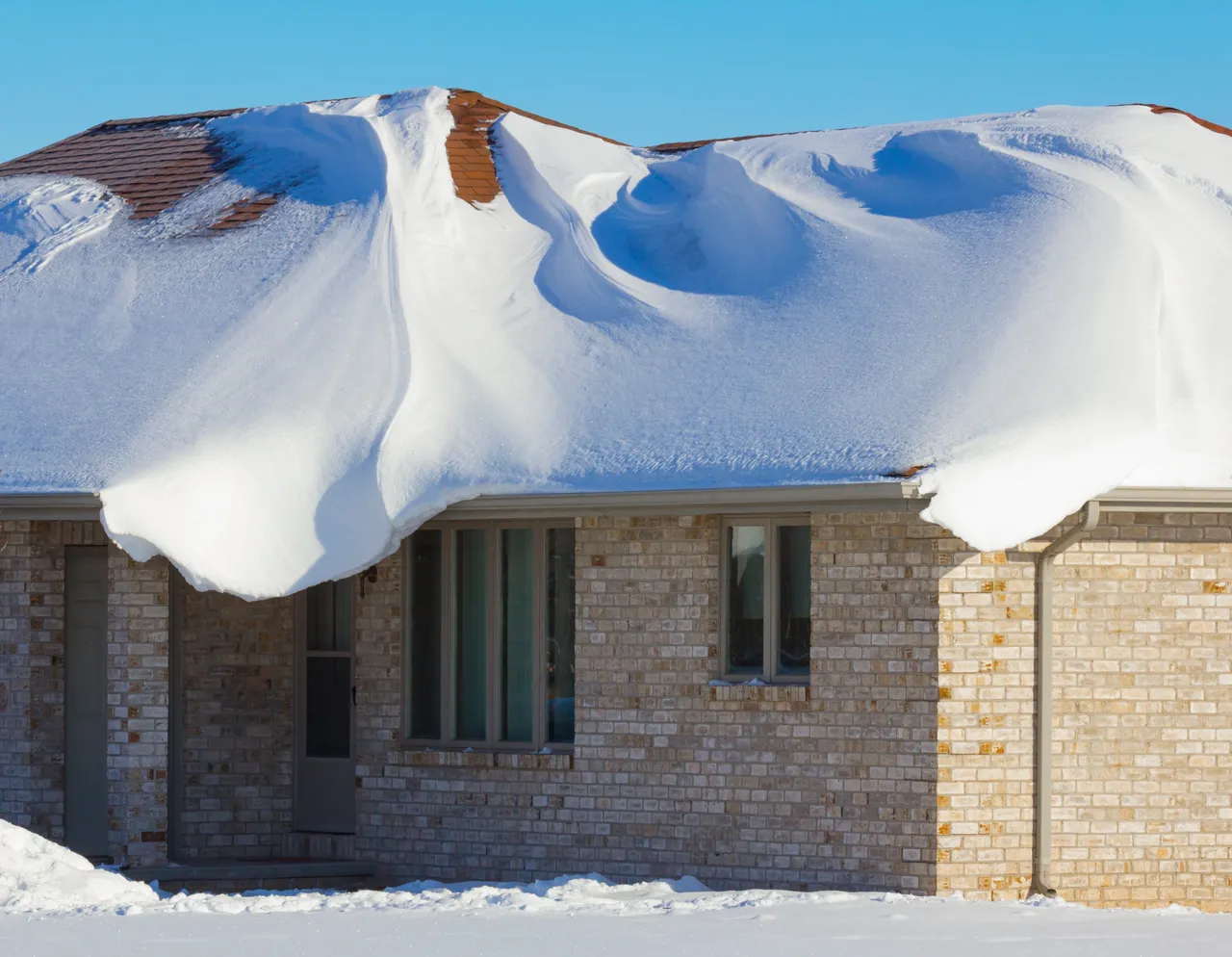
A roof does not fail because winter looks dramatic from the driveway. It fails because weight gathers quietly, settles unevenly, and pushes a structure past what it was built to carry. That is why snow load limits matter so much for homeowners in places like Minnesota, Maine, Colorado, Vermont, Wisconsin, Michigan, and upstate New York. Snow can look soft from below, but wet snow, ice layers, drifting, and repeated storms can turn a calm roofline into a serious structural concern.
Most homeowners think danger starts when snow looks deep. That is only half true. A foot of light powder may create less pressure than a few inches of rain-soaked snow sitting over old ice. Homeowners who read trusted home safety resources from a home improvement publishing network often learn the same lesson: winter roof risk is less about appearance and more about weight, drainage, roof shape, and timing.
A strong roof deserves respect, but not blind trust. Cold-climate homes are built with winter in mind, yet every roof has a limit. Knowing when to watch, when to remove snow, and when to call a professional can protect your house before winter turns one more storm into one too many.
How Roofs Carry Winter Weight Before Trouble Starts
Snow becomes dangerous when it stops acting like weather and starts acting like a load. Your roof carries that load through rafters, trusses, decking, walls, and foundation points. When every part works together, the system handles winter pressure without drama. When one part is already weak, poorly altered, or stressed by uneven snow, the risk climbs fast.
Why snow depth alone can mislead homeowners
A clean ruler measurement does not tell the whole story. Ten inches of dry, fluffy snow may weigh far less than four inches of dense, wet snow. That surprises many homeowners because depth is easy to see, while weight stays hidden until doors stick, ceilings crack, or rafters groan under pressure.
Think about a lake-effect storm in western Michigan. One neighborhood may get light powder that blows across the roof. A nearby area may get wet snow, freezing rain, and another layer of snow before the first layer drains or melts. Both homes may show similar depth from the yard, but the second roof carries a heavier burden.
Ice makes the problem harder to judge. When snow melts during the day and refreezes at night, it can form a dense layer beneath the newer snow. That base layer does not always slide off. It grips shingles, blocks drainage paths, and adds weight where homeowners least expect it.
How roof design changes the risk
Roof shape decides how snow settles. A steep metal roof may shed snow quickly, while a low-slope addition over a garage may hold weight for days. Valleys, dormers, skylights, and roof transitions can collect drifting snow even when the main roof looks manageable.
A common cold-climate problem happens where a taller wall meets a lower roof. Wind pushes snow against the wall, and that drift can pile deeper than the snow on open roof surfaces. A home in Colorado with a two-story section above a single-story kitchen may carry extra weight right where the roof framing changes.
Older homes need extra attention. Many were built before modern code requirements, and some have been changed over time. A homeowner may add solar panels, finish an attic, remove interior walls, or install heavier roofing material without thinking about winter load. The roof still looks normal from the street, but its margin may be smaller than it used to be.
Reading Roof Stress Before It Becomes Damage
A stressed roof often gives warnings before a true emergency. The hard part is knowing which signs deserve attention and which ones are normal winter noise. Houses creak in cold weather, but roof collapse warning signs have a pattern: they show movement, pressure, or distortion that was not there before.
What interior warning signs usually mean
Interior clues often show up before exterior damage is obvious. New ceiling cracks, sagging drywall, bowed beams, and doors that suddenly rub can point to load movement. Windows that become hard to open during a heavy snow period deserve attention too, especially if they worked fine before the storm.
A homeowner in Vermont might notice a bedroom door sticking after two back-to-back storms. That does not prove the roof is failing, but it does mean the house is reacting to pressure. If that same home also has ceiling cracks near the center of a room, the warning becomes harder to ignore.
Water stains can confuse the issue. Many people assume stains mean only a leak, but winter staining can come from ice dams, trapped meltwater, or roof deck movement. A stain near an exterior wall may point toward ice backup, while staining near a sagging ceiling area can suggest a larger concern.
When outdoor clues deserve fast action
Outdoor signs can be dramatic, but some of the worst ones are subtle. A roofline that dips, gutters pulling away, or a visible bend in a porch roof can mean snow has found a weak spot. Pay close attention to attached garages, sunrooms, covered patios, and older additions because these areas may not be framed like the main house.
Heavy snow on roof edges also matters. Snow that hangs over eaves can drag on gutters and fascia, but the bigger issue is what sits behind it. If ice blocks drainage, meltwater can refreeze and keep adding weight near the edge. That area may not carry weight as well as the main roof span.
Sounds count too. A loud crack during a storm should never be brushed off as “winter house noise” if it comes with movement, new cracks, or sagging. Leave the area under concern and call a qualified contractor, structural engineer, or local emergency service if the building feels unsafe.
How Snow Load Limits Affect Real Homes in Cold States
Every roof has a design story. Building codes, local climate data, roof pitch, materials, and framing all shape what a home can handle. Snow load limits are not one national number because winter in Buffalo is not the same as winter in Denver, and a mountain cabin faces different pressure than a suburban ranch house.
Why local building codes matter more than guesses
Local code requirements exist because snow behavior changes by region. A home in northern Wisconsin may need different design assumptions than one in southern Missouri. Elevation, wind patterns, storm history, and expected snow density all influence how roofs are planned.
The tricky part is that code compliance at construction does not erase future risk. A roof built properly in 1995 may still face aging materials, small leaks, previous repairs, or added weight from new equipment. Codes set a baseline, but maintenance protects the baseline from fading over time.
Homeowners should keep records when possible. Roof age, truss plans, renovation permits, inspection reports, and shingle replacement details can help a contractor judge risk faster. That paperwork may feel boring in October, but it becomes useful when February storms stack up with no warm break.
Why some homes struggle sooner than expected
Weakness often comes from uneven loading, not total snow alone. A wind drift on one side of a roof can push one section harder than the rest. That imbalance can stress trusses, bend decking, and expose framing issues that stayed hidden through lighter winters.
Flat and low-slope roofs deserve special care. They do not shed snow well, and clogged drains can trap meltwater under new snow. Commercial buildings are famous for this problem, but residential garages, porch roofs, and modern low-slope additions can face it too.
One counterintuitive truth is that newer-looking homes are not automatically safer. A newer house with a complex roofline, poor attic ventilation, and heavy drifting may need more winter attention than a plain older Cape Cod with a steep, simple roof. Complexity creates pockets where snow can sit, melt, freeze, and return as a heavier load.
Safe Snow Removal and Smart Winter Prevention
Snow removal from roof areas sounds simple until someone gets hurt or damages the shingles. The safest plan starts before the storm season. Homeowners should understand which roof sections collect snow, where ice usually forms, and which jobs belong to professionals instead of a ladder and a shovel.
When homeowners can act without making things worse
A roof rake can help on single-story eaves when used from the ground. The goal is not to scrape the roof bare. The goal is to reduce edge buildup, open drainage paths, and lower stress in problem zones without tearing shingles or pulling gutters loose.
Timing matters. Removing some snow after a storm can be safer than waiting for several storms to compress into a dense layer. Light, repeated clearing near edges often works better than one late attempt after snow turns wet and heavy.
Never climb onto an icy roof to clear it yourself. That advice sounds obvious, yet emergency rooms see the same pattern every winter. A homeowner gets worried, grabs a ladder, steps onto packed snow, and loses control before the first shovel scoop. The roof may be under stress, but your body is easier to break.
When a professional should handle the roof
Professional help makes sense when snow is deep, wet, icy, or sitting on a steep or high roof. It also makes sense when roof collapse warning signs appear inside the home. A good contractor knows how to remove weight in stages so one section is not suddenly unloaded while another remains packed.
Insurance can also enter the picture. If you see structural movement, water intrusion, or damage after heavy snow, take photos from safe locations and call your insurer before major repairs begin. Documentation helps prove timing and damage cause, especially after a regional storm.
Long-term prevention should focus on the boring details: attic air sealing, insulation balance, ventilation, gutter care, and roof inspections. These do not sound exciting, but they reduce ice dams, slow uneven melting, and help your roof behave more predictably. Winter rewards homes that were prepared before the first flake landed.
Conclusion
Winter roof safety is not about panic. It is about respecting weight you cannot judge from the sidewalk. The smartest homeowners in cold climates do not wait for a ceiling crack to teach them the difference between soft snow and structural pressure. They learn their roof shape, watch the trouble spots, and treat each storm as part of a season-long pattern.
Roof Snow Load risk becomes manageable when you stop guessing. Look for uneven buildup, wet snow, ice layers, and changes inside the home. Keep your attic healthy, your drainage open, and your contractor’s number close during rough winters. If something feels wrong, trust the warning sooner rather than later.
Before the next major storm cycle, walk your property, note where snow collects, and make a simple winter roof plan. A roof does not need constant fear, but it does need attention when the weather starts stacking weight overhead.
Frequently Asked Questions
How much snow can a residential roof usually hold?
Most homes in cold U.S. regions are built for local snow conditions, but there is no single safe depth for every roof. Snow density, ice layers, roof pitch, age, and framing condition all matter. Wet snow can create danger faster than deep powder.
What are the first signs of too much snow on a roof?
New ceiling cracks, sagging areas, doors that suddenly stick, loud cracking sounds, and visible roof dips are serious warning signs. Water stains after heavy snow may also point to ice dams or trapped meltwater. Treat sudden changes as a reason to inspect fast.
Is wet snow more dangerous than dry snow on a roof?
Wet snow is usually more concerning because it carries far more weight in less depth. A few inches of dense, rain-soaked snow can stress a roof more than a much deeper layer of dry powder. Ice beneath it adds even more pressure.
Should I remove snow from my roof after every storm?
Not every storm requires removal. Focus on heavy, wet snow, repeated storms with no melting break, deep drifts, and roof sections that collect snow unevenly. Use a roof rake from the ground when safe, and call a pro for steep, icy, or high areas.
Can ice dams increase roof load problems?
Ice dams can add weight and trap meltwater behind frozen edges. That water may refreeze under snow, adding pressure while also increasing leak risk. Good attic insulation, air sealing, and ventilation help reduce the uneven melting that feeds ice dams.
Are flat roofs more at risk during heavy snow?
Flat and low-slope roofs often hold snow longer because gravity does not help shed the load. Drains can clog, water can pool, and new snow can hide the added weight. Garages, porches, and additions with low-slope roofs need extra winter attention.
Who should inspect a roof after heavy snow damage?
A licensed roofing contractor can assess visible roof damage, while a structural engineer is better for sagging, framing concerns, or suspected load movement. If the home feels unsafe, leave the affected area and contact local emergency services before inspection.
How can homeowners prepare roofs before winter starts?
Schedule a roof inspection, clean gutters, check attic ventilation, seal attic air leaks, and look for weak spots around additions, valleys, and low-slope sections. Keep a roof rake ready for reachable edges, and decide ahead of time when you will call a professional.