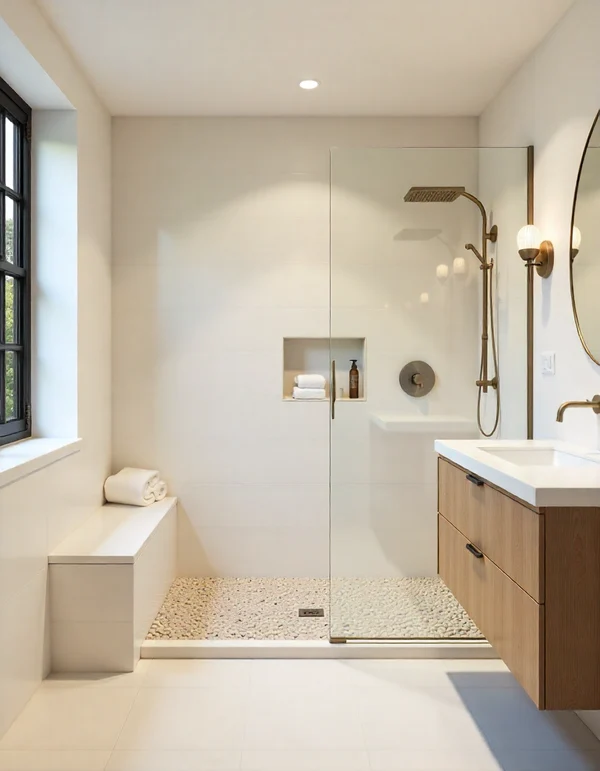


A room can look polished and still leave you tense. You walk in, nothing seems wrong, yet your shoulders stay tight and your mind keeps racing. That gap matters more than most people admit, because the rooms you live in shape your pace, your mood, and even how long you can sit with your own thoughts before reaching for noise.
The best relaxing interiors do not happen because someone bought better furniture. They happen when a space stops fighting you. That means gentler contrasts, less visual clutter, and choices that help your eyes settle instead of scan. In homes that feel good to live in, comfort is not an accident. It is designed into the room, often in quiet ways you barely notice until you feel the difference.
That is also why smart design advice should move past trend chatter and get closer to what people need day after day. A useful starting point is learning how media placement, visual calm, and design messaging shape the experience of a room, especially when paired with thoughtful home and lifestyle publishing support. A peaceful space is built through decisions, not decoration alone.
You do not need a huge budget, a bigger house, or a perfect floor plan. You need sharper judgment. Once you understand which choices make a room exhale and which ones keep it restless, the whole game changes.
Why Calm Begins With Visual Restraint
Most rooms feel unsettled for one simple reason: they are trying to do too much at once. You can sense it the second you walk in. Too many surfaces compete for attention, too many objects demand a role, and the room never lands. A restful home starts when you stop treating every corner as an opportunity to display something.
Clear Surfaces Create Mental Room
Empty space is not wasted space. It gives the eye a place to pause, and that pause changes how a room feels in your body. When every shelf is packed and every side table carries five small objects, your brain keeps processing signals long after you sit down.
A strong first move is editing visible surfaces with discipline. Keep the coffee table to one tray and one object with presence, not six tiny accessories with no weight. Let your console table hold one lamp, one book stack, or one vase that earns its spot. The room starts feeling calmer because the visual noise drops before you add anything new.
This is where a calming color palette starts doing real work. Pale clay, warm white, muted olive, dusty blue, and gentle stone tones lower the room’s intensity without making it dull. The point is not to erase character. The point is to stop every wall, fabric, and object from shouting at once.
Small homes benefit from this even more than large ones. In a compact apartment, visual excess does not read as abundance. It reads as pressure. When the surfaces are edited and the color range stays tight, the room suddenly feels wider, softer, and easier to inhabit.
Layout Should Slow You Down, Not Speed You Up
Furniture placement changes mood more than many people think. A room that forces awkward paths, clipped corners, or constant sidestepping never feels restful because your body stays slightly alert. You may not name it, but you feel it.
Good arrangement makes movement natural. Leave clear walking lines. Pull furniture into conversation zones instead of shoving everything against the wall. Let the seating face something meaningful, such as a window, a fireplace, or a quiet focal point that gives the room a center of gravity.
That is also where cozy room styling gets misunderstood. People often treat coziness as an object problem, so they pile on blankets, baskets, and throw pillows. But coziness begins with distance, scale, and placement. A chair angled toward light feels more comforting than a chair buried under three extra cushions.
A living room in a family home proves this fast. One version has oversized furniture blocking pathways and forcing people to pivot around corners. Another version has the same pieces spaced with intention, leaving open movement and easier sight lines. The second room feels calmer even before any decor changes, because the body reads ease before the mind explains it.
Light Is the Mood Setter Most Homes Get Wrong
Once the room stops looking crowded, light becomes the next turning point. Harsh lighting can ruin an otherwise beautiful space in seconds. It flattens textures, exaggerates hard edges, and gives every evening the mood of a waiting room. If your home feels cold after sunset, lighting is usually the reason.
Overhead Light Cannot Carry the Whole Room
Ceiling fixtures have a job, but they should not do every job. One bright overhead source throws light everywhere with no softness, no hierarchy, and no intimacy. It makes the room visible, yet it rarely makes the room feel good.
Layered lighting changes that. Use a ceiling fixture for general brightness, then bring in table lamps, floor lamps, and wall lights to shape the atmosphere. You want pockets of glow, not one blanket of glare. Rooms feel more settled when light falls in zones instead of blasting every corner equally.
This is where soft lighting design earns its place. Lamps with fabric shades, bulbs in the warm range, and dimmable sources all help the room lean calmer at night. One lamp beside a reading chair and another near a sideboard can do more for comfort than a costly renovation.
A bedroom is the clearest example. Many people rely on one central fixture and wonder why the room never feels restful. Add two low bedside lamps, keep the light warm, and the entire mood shifts. Suddenly the room invites you to stay, read, breathe, and wind down instead of getting in and out as fast as possible.
Daylight Needs Control, Not Max Exposure
Natural light is good, but uncontrolled daylight can make a room feel exposed rather than peaceful. There is a difference between brightness and comfort. A space flooded with sharp midday sun, bare windows, and reflective surfaces can feel agitating even when it photographs well.
The answer is not to block daylight completely. The answer is to filter it. Sheer curtains, woven shades, or layered window treatments let light enter without turning the room harsh. The room stays open while the edges soften.
At this point, peaceful home decor should support the light rather than compete with it. Matte finishes, textured linen, natural wood, and soft ceramics catch daylight in a quiet way. Mirrored clutter, hard gloss, and aggressive metallic shine often make a room feel restless because every surface bounces energy back at you.
One of the smartest changes in a sun-heavy room is lowering contrast. If your walls are pale but your rug is loud black and white, the daylight will hit that contrast all day and keep the room visually busy. Shift to warmer neutrals, faded pattern, or less abrupt color separation, and the same natural light starts feeling generous instead of sharp.
Texture Matters More Than Expensive Decor
A lot of people chase calm by buying statement pieces. That rarely works. A restful room does not depend on one dramatic sofa or one perfect coffee table. It depends on how materials work together. Texture is what makes a space feel settled, grounded, and human.
Softness Needs Contrast to Feel Real
A room made of all one texture falls flat. When everything is smooth, plush, or polished, the space loses tension in the wrong way and starts feeling lifeless. Calm is not sameness. Calm is balance.
That is why a calming color palette works better when paired with mixed textures. A warm off-white sofa gains depth beside a nubby wool throw. A soft beige wall looks richer against raw wood, brushed metal, or woven cane. The room stays gentle, but it does not turn sleepy or blank.
You can test this in one corner before changing a full room. Put a linen cushion, a ceramic lamp, a timber side table, and a wool rug in the same view. The feeling changes because your eye reads depth without strain. The materials speak in low tones, and that matters.
A surprising truth sits here: cheap decor often looks cheap because it ignores texture, not because it costs less. Even modest pieces can feel elevated when the material story makes sense. The room stops leaning on labels and starts leaning on touch, light, and contrast.
Fewer Fabrics, Chosen Better, Beat Piles of Decor
There is a common mistake in homes chasing comfort. People add more textiles every season and end up with rooms that feel padded rather than peaceful. Too many throws, too many prints, too many cushions in clashing fabrics can make a room feel dressed up and tired at the same time.
Strong cozy room styling is more selective than that. One good throw in washed cotton or soft wool does the job better than three random blankets draped for effect. Two cushions with shape and texture beat six that only add bulk. A rug with quiet pattern can anchor the room without filling it with noise.
You should also pay attention to how fabrics age. Crisp polyester shine and stiff materials tend to break the spell of comfort fast. Linen, cotton, boucle, wool blends, and worn leather usually settle into a room in a way that feels lived-in without looking worn out.
The homes that stay calm over time are not the ones endlessly buying seasonal accents. They are the ones choosing a smaller set of materials that wear well and still feel good six months later. That is the difference between styling for a photo and building a place you can trust every evening.
The Final Mood Comes From What You Refuse to Add
By the time layout, light, and texture are working, one last decision shapes the room: restraint. This is the part many people skip because it feels less exciting than shopping. Yet the rooms that stay peaceful are often defined by what never entered them in the first place.
Personal Touches Need Editing, Not Elimination
A calm room should still feel like yours. The goal is not to remove every trace of personality and live inside a staged neutral box. The goal is to choose personal pieces with enough care that they deepen the room instead of crowding it.
This is where soft lighting design and personal objects should work together. A framed photo under warm lamplight feels intimate. The same photo lost in a cluttered gallery wall can feel like background noise. One handmade bowl on an entry console says more than twelve unrelated knickknacks ever will.
A smart approach is to group meaningful items by emotional weight. Keep travel pieces in one area, books in another, family photos in one deliberate zone. When everything personal is scattered everywhere, the room loses clarity. When memory has structure, the room feels warmer and more composed.
This approach also makes change easier. You do not need to erase your taste. You only need to stop displaying every attachment at once. Homes breathe better when memory is edited with the same honesty you would use in writing.
Calm Rooms Are Built Through Repetition and Refusal
By now, the deeper pattern becomes clear. Peace does not come from one heroic design move. It comes from repeated small decisions that all point in the same direction. Lower contrast. Smarter spacing. Better lamps. Fewer objects. Richer materials. Nothing dramatic on its own. Powerful together.
That is why peaceful home decor works best when it follows a narrow point of view. If one room is earthy and soft, do not break the rhythm with a neon accent chair that belongs to a different story. If the bedroom is built around quiet texture, do not introduce glossy furniture that shifts the mood for no reason.
The same principle applies across the whole house. Repetition builds trust. Similar tones, related materials, and steady lighting choices help each room feel connected to the next. You stop experiencing the home as a set of separate style experiments and start experiencing it as one place that understands what you need from it.
The smartest homes are not the ones trying to impress every guest. They are the ones that know exactly how they want you to feel and protect that feeling with discipline. That is the real unlock. And yes, it takes saying no more often than yes.
A home starts changing the moment you stop decorating for appearance and start editing for ease. The most lasting relaxing interiors are shaped by choices that lower friction, soften the senses, and give your mind fewer things to battle. That shift is practical, not precious. You can begin tonight by clearing one surface, changing one bulb, moving one chair, and removing one object that never helped the room in the first place.
Do not wait for a renovation budget or a bigger house to give yourself peace. Build it with the room you already have. Choose one space that feels busy, cold, or unsettled and correct it with intention this week. The homes that restore you are not built by accident. They are built by people who finally decide that calm deserves a place to live.
Frequently Asked Questions
What are the best colors for a relaxing interior?
Warm whites, muted greens, soft blues, clay tones, and quiet taupes tend to work best. They lower contrast and help the room feel settled. The key is staying within a restrained range so your walls, fabrics, and decor do not compete for attention.
How do I make my living room feel calmer without buying new furniture?
Start by editing what is visible and improving the layout. Clear crowded surfaces, create open walking paths, and move seating into a tighter conversation zone. Then switch to warmer bulbs or add a lamp so the room feels softer after sunset.
How can soft lighting change the mood of a room?
It reduces glare, adds depth, and makes the space easier on your eyes. Warm layered light also helps textures look richer and less flat. One overhead fixture makes a room visible, but a few lower light sources make it feel welcoming.
What is the biggest mistake people make when decorating cozy spaces?
They add too much. Extra blankets, extra cushions, and too many decorative pieces often make the room feel heavy instead of comforting. A calmer result usually comes from stronger editing and better placement, not from piling on more items.
How do I style a bedroom so it feels restful every night?
Keep the palette quiet, reduce clutter around the bed, and use low warm lighting instead of one bright central fixture. Bedding should feel soft and simple, and the furniture should leave enough open space that the room never feels cramped.
Is minimal design the only way to create a peaceful home?
No. A peaceful home can still feel layered, personal, and warm. What matters is restraint, not strict minimalism. You can keep books, art, and meaningful objects as long as they are grouped with intention and do not turn the room visually noisy.
Which materials make interiors feel warmer and more relaxed?
Linen, cotton, wool blends, natural wood, matte ceramics, and woven textures usually help most. They catch light in a softer way and add depth without harsh shine. Rooms feel steadier when materials look tactile instead of slick or overly polished.
How do I know if a room is overstimulating?
Your body usually tells you before your mind does. If a space feels busy, sharp, crowded, or hard to settle into, it is often overstimulating. Too many visible items, strong contrast, poor layout, and harsh light are the usual causes.